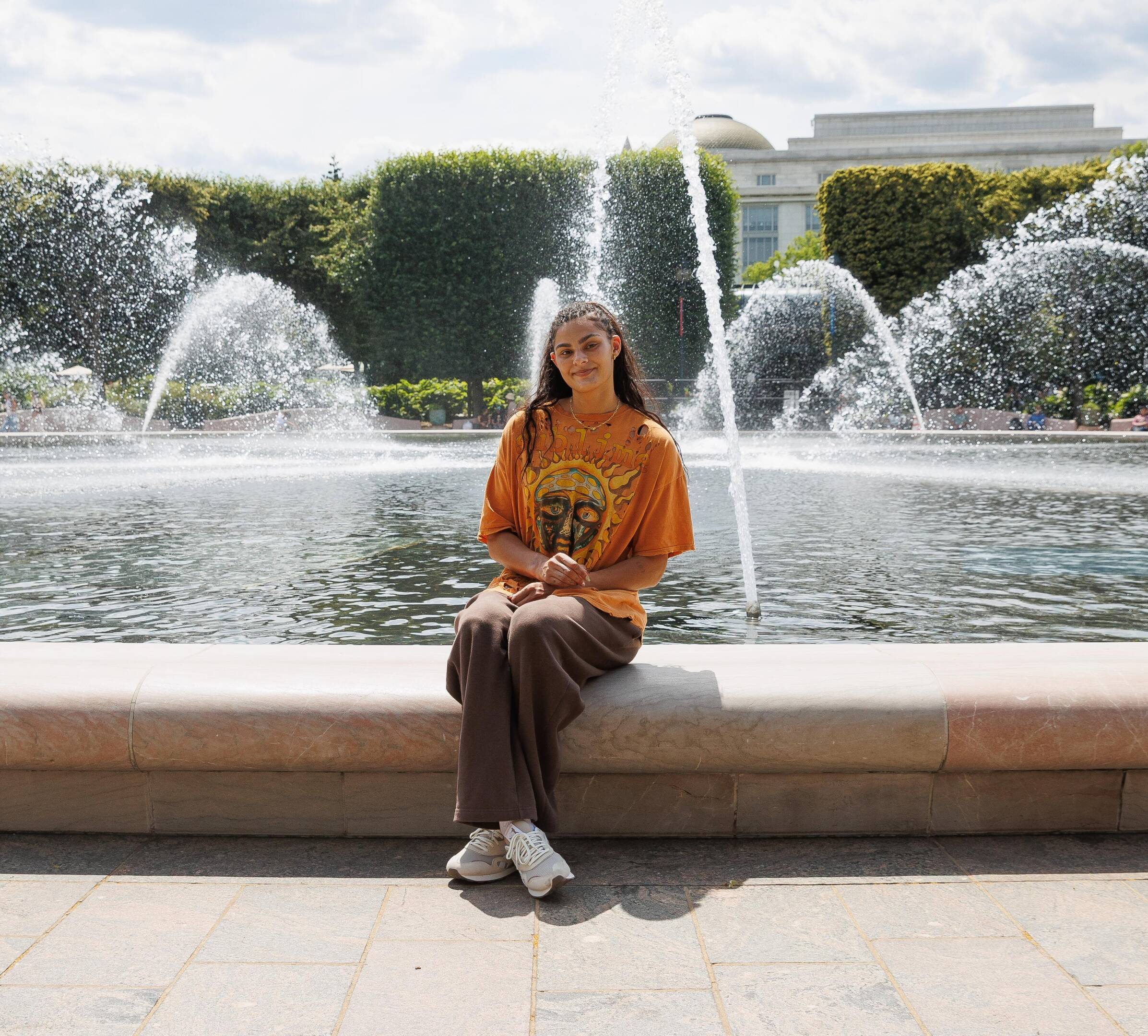
Lauren Betts believes showing up for yourself is part of showing up for your team
The No. 4 overall pick discusses life as a rookie, the importance of balance, and why a drive with the windows down can be just as important as a workout.
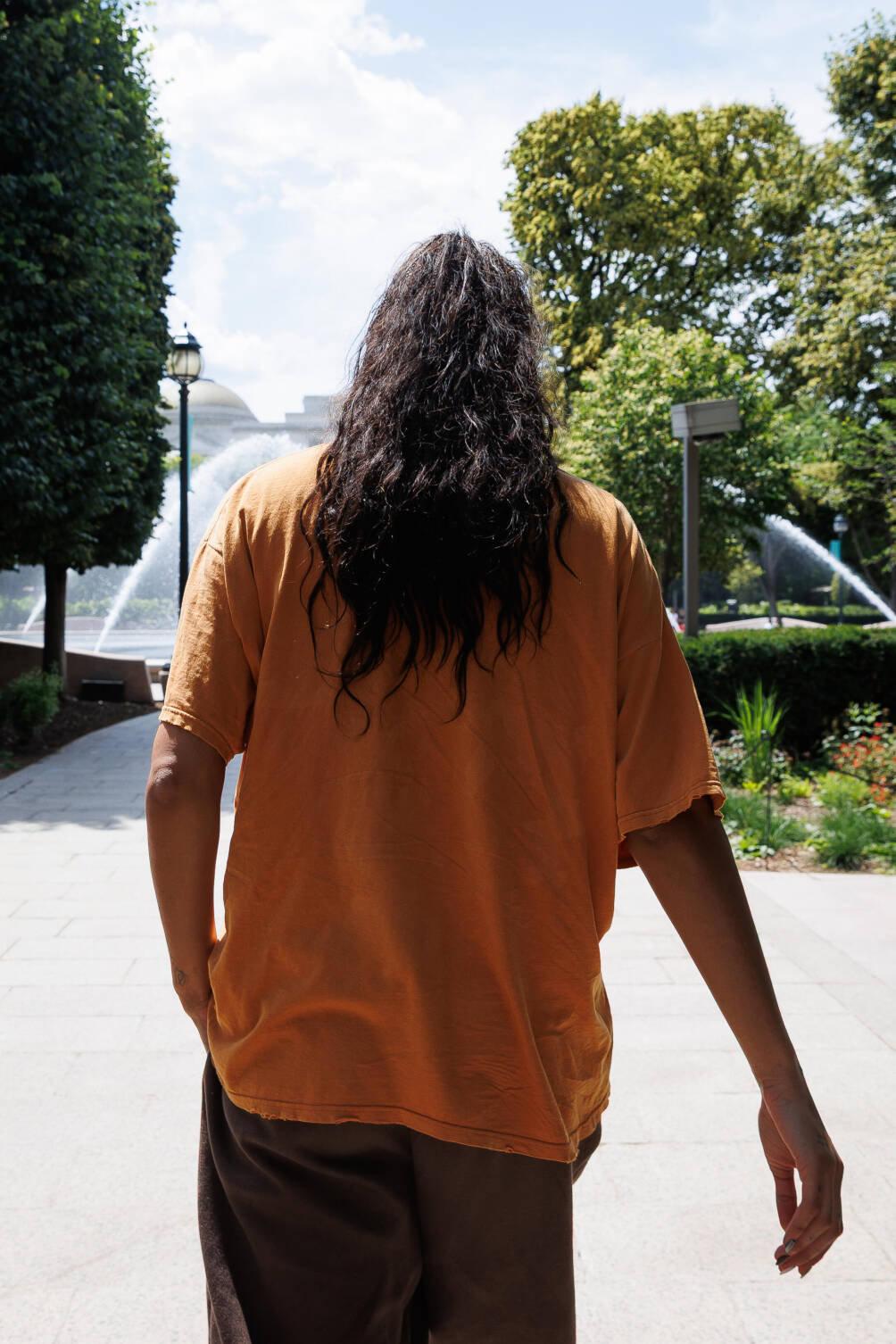
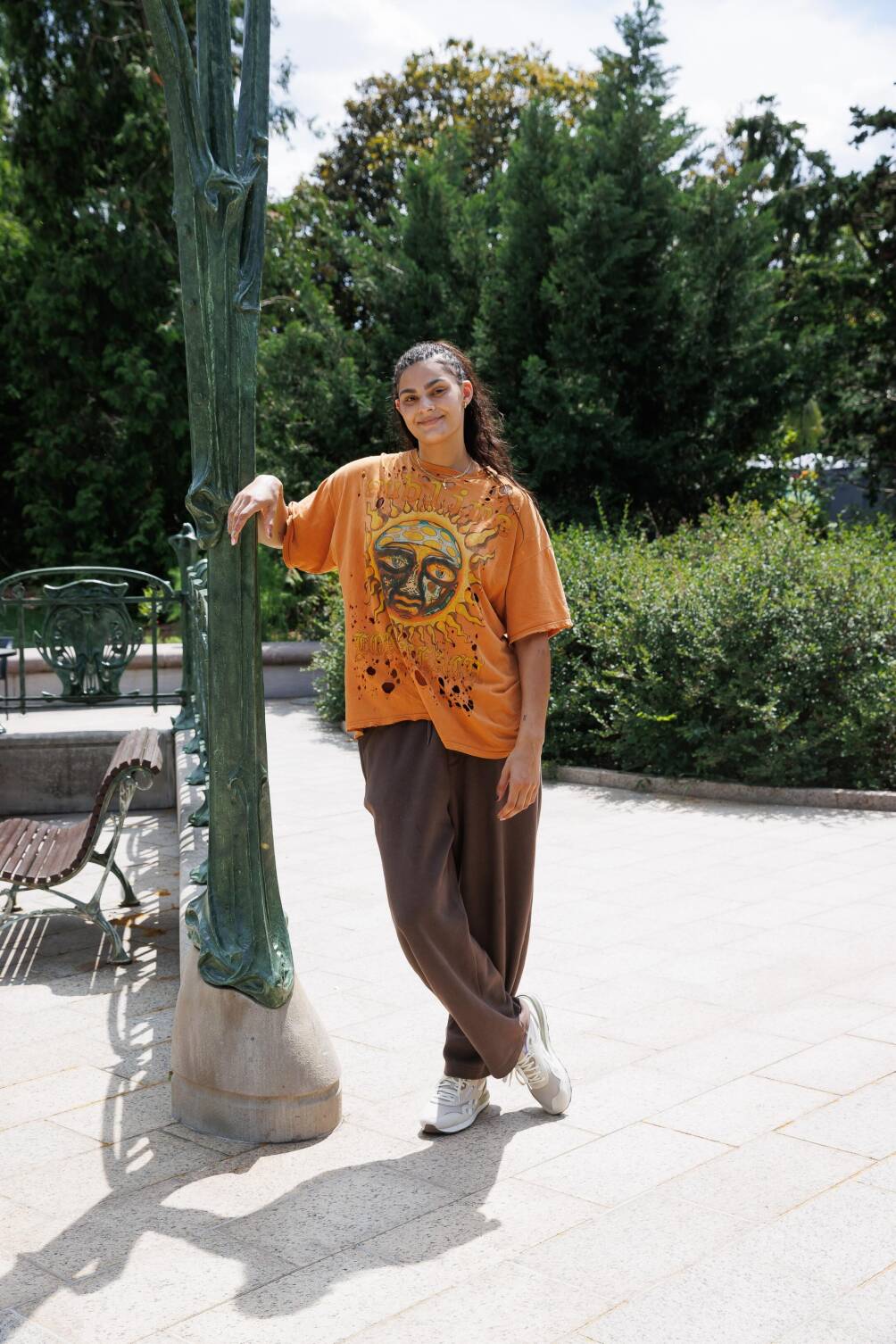
For Betts, wellness is not defined by a perfect routine or a carefully curated checklist. It is about creating a life that feels sustainable, one where basketball remains important without becoming everything. "I think managing your time, making sure that you're finding gaps in your schedule where you can take care of you and having a really good balance of both. I think that's what it's all about," she says.
That philosophy has become even more important during her transition from college basketball to the professional game. For years, her days followed a predictable rhythm. Classes. Practices. Team meetings. Travel. Study sessions. There was always somewhere to be and something demanding her attention.
Professional basketball comes with its own demands, but it also introduced something many athletes have never had much experience with. Freedom.
"It's really up to you what your life looks like and what your day looks like," Betts says. "You're an adult, and it's up to you what you make it." The adjustment has required a different kind of discipline. Without school filling large portions of her schedule, Betts has found herself thinking more intentionally about how she spends her time away from basketball. It's easy, she admits, to stay inside and rest when the workday ends. It's harder to push yourself to explore a new city, try something different, or invest in interests outside of the game.
Before becoming the fourth overall pick in the 2026 WNBA Draft, Betts established herself as one of the most accomplished players in UCLA history. She helped lead the Bruins to their first NCAA Championship, earned Final Four Most Outstanding Player honors, and finished her career among the program's all-time leaders in nearly every major statistical category.
Her basketball résumé is impressive. But when Betts talks about health, wellness, and what allows her to perform at her best, the conversation quickly moves away from statistics and accolades. Instead, she talks about balance.
During her time at UCLA, Lauren Betts would often find herself behind the wheel, music turned up, driving along the Pacific Coast Highway with nowhere in particular she needed to be. Practices, workouts, classes, and expectations filled most of her days, but those drives offered something different. Space. A chance to think. A chance not to think.
"A lot of people don't know this about me, but I really love going on drives," Betts says. "I really enjoy blasting music and just going on drives. When I went to UCLA, driving down PCH was something that brought me joy."
It's a small detail, but it says a lot about who she is.
That doesn't mean basketball matters any less. If anything, Betts believes maintaining that balance allows her to bring more of herself into the game. The same is true of the relationships she builds along the way.
When discussing her transition to the professional level, she repeatedly returns to teammates, coaches, and the connections that make a team feel like a team. "I love to surround myself with the people I'm working with," she says. "Trust and relationships is something that I really stand on."
That perspective feels particularly relevant in a league where chemistry can often be the difference between a good team and a great one. Betts believes the trust built away from the court inevitably shows up on it.
The strongest teams, in her view, are built on genuine connection. Still, connection requires energy. And energy requires boundaries. One of the most valuable wellness lessons she has learned is that showing up for others sometimes requires stepping back for yourself.
Like many people, she struggles with saying no. She wants to be available. Helpful. Present. But she has also learned what happens when she ignores her own needs for too long. "You don't want it to get to a point where you're really burnt out," she says.
Protecting her time is not always comfortable. Sometimes it means choosing herself when she'd rather accommodate someone else. Yet she has come to see that as an essential part of wellness. "I think sometimes, in order to be your best self, you have to be selfish sometimes," she says.
It's a lesson that feels increasingly valuable in a world that celebrates constant activity.
Betts is entering one of the most exciting chapters of her basketball career. The expectations are higher. The spotlight is brighter. The opportunities are bigger.
But as she navigates life as a professional athlete, she continues to return to the same principles that guided her through college: make time for the people who matter, find joy outside of the game, and leave room for yourself within the schedule.
Sometimes that looks like dinner with teammates or finding a new coffee spot. And sometimes it looks like a drive with the music turned up, nowhere specific to go, and a few quiet moments to simply be.
"I think just trying to make sure that I'm fulfilling that time," she says. "It's really easy to just go and lay in bed for the rest of the day." The idea of fulfillment comes up often throughout the conversation. Not accomplishment. Not productivity. Fulfillment. Betts is thoughtful about the difference.
For much of her basketball career, she has worked to make sure the sport remains something she does rather than something that completely defines her. It sounds simple, but for elite athletes, that separation can be difficult to maintain.
Athletes are constantly evaluated. Every performance is analyzed. Success and failure often feel public. Learning to separate personal worth from basketball results has been an ongoing process. "I feel like that's something that I've worked on my entire career," she says. "Trying not to look at the way I play basketball and let that value who I am as a person." That lesson is one she would gladly share with her younger self.
"Don't let basketball define who you are as a person," she says. "It's just a job. It's something that you do. Remember why you're doing it, and don't let anybody take your joy from who you are as a person."
Joy, for Betts, often lives in ordinary places. A coffee shop she hasn't tried before. An afternoon by the pool. Shopping for clothes or putting together an outfit.
She laughs when admitting that shopping remains one of her favorite ways to spend an afternoon. "Especially because of tunnel fits and everything," she says. "That's something that I really enjoy doing." There is a confidence in that answer. A willingness to embrace interests that exist completely outside of basketball.
Throughout her career, Betts has resisted the idea that athletes should be singularly always focused on their sport.
In fact, she sees balance as one of her greatest strengths.
While some athletes prefer to spend every available moment thinking about their game, Betts has always looked for opportunities to engage with the world beyond it. That mindset was one of the things she appreciated most about her experience at UCLA, where life extended well beyond the gym.
"I still feel like there are a lot of athletes who make basketball or whatever they do their entire lives," she says. "And that's not who I am."
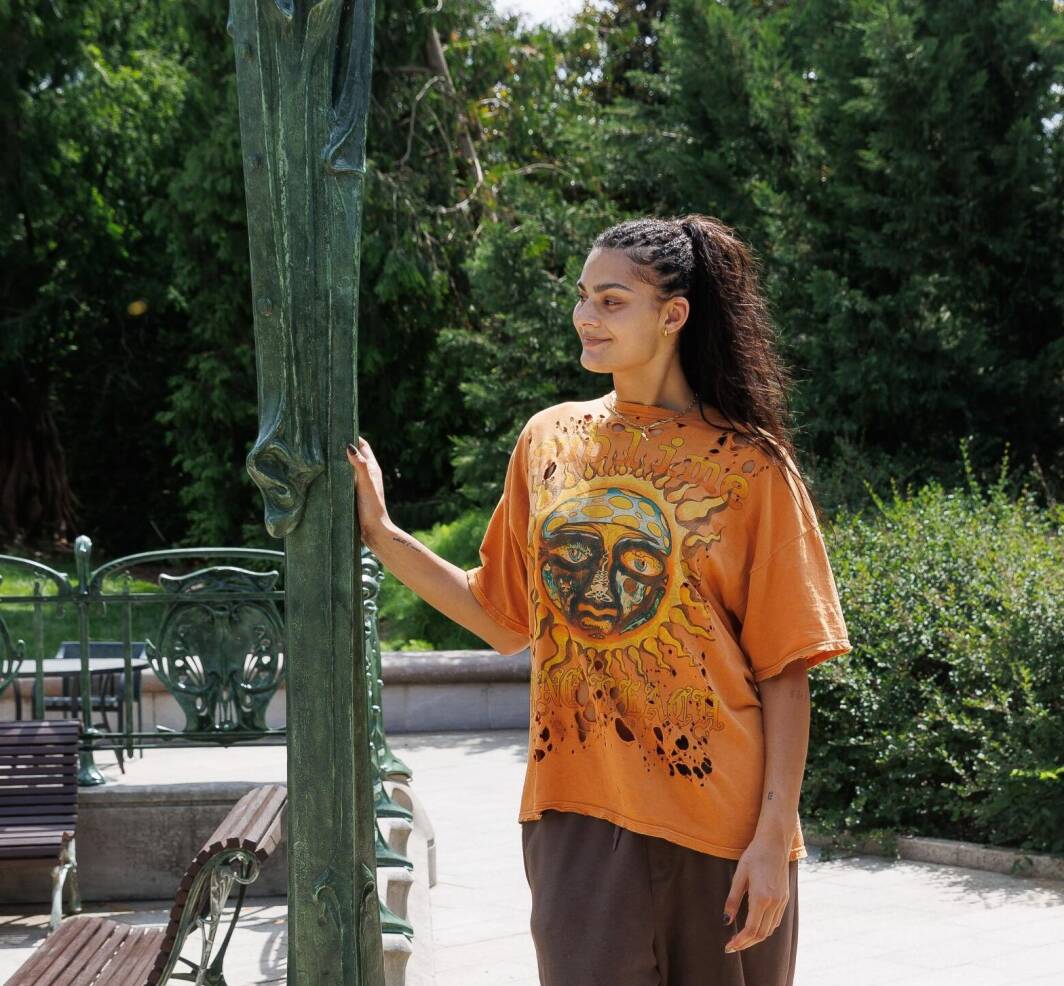
Lauren Betts believes showing up for yourself is part of showing up for your team
The No. 4 overall pick discusses life as a rookie, the importance of balance, and why a drive with the windows down can be just as important as a workout.
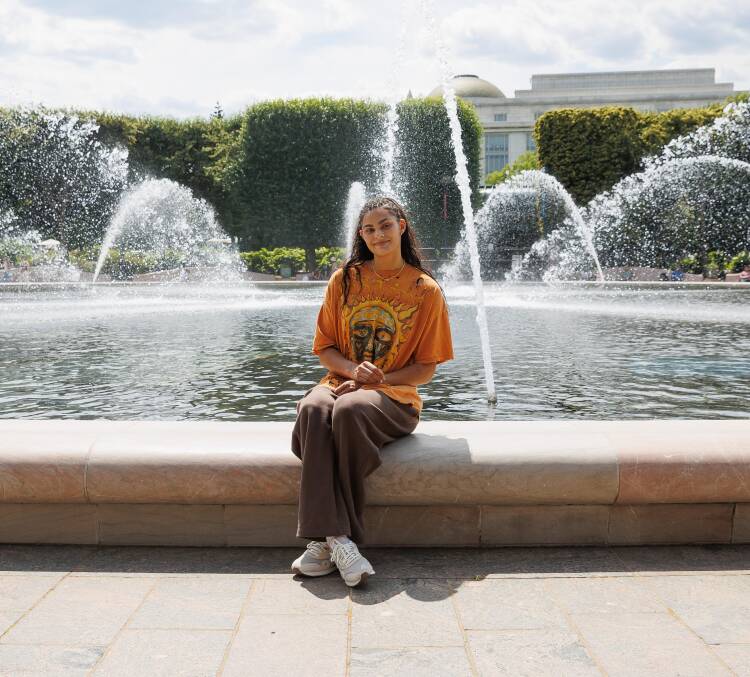
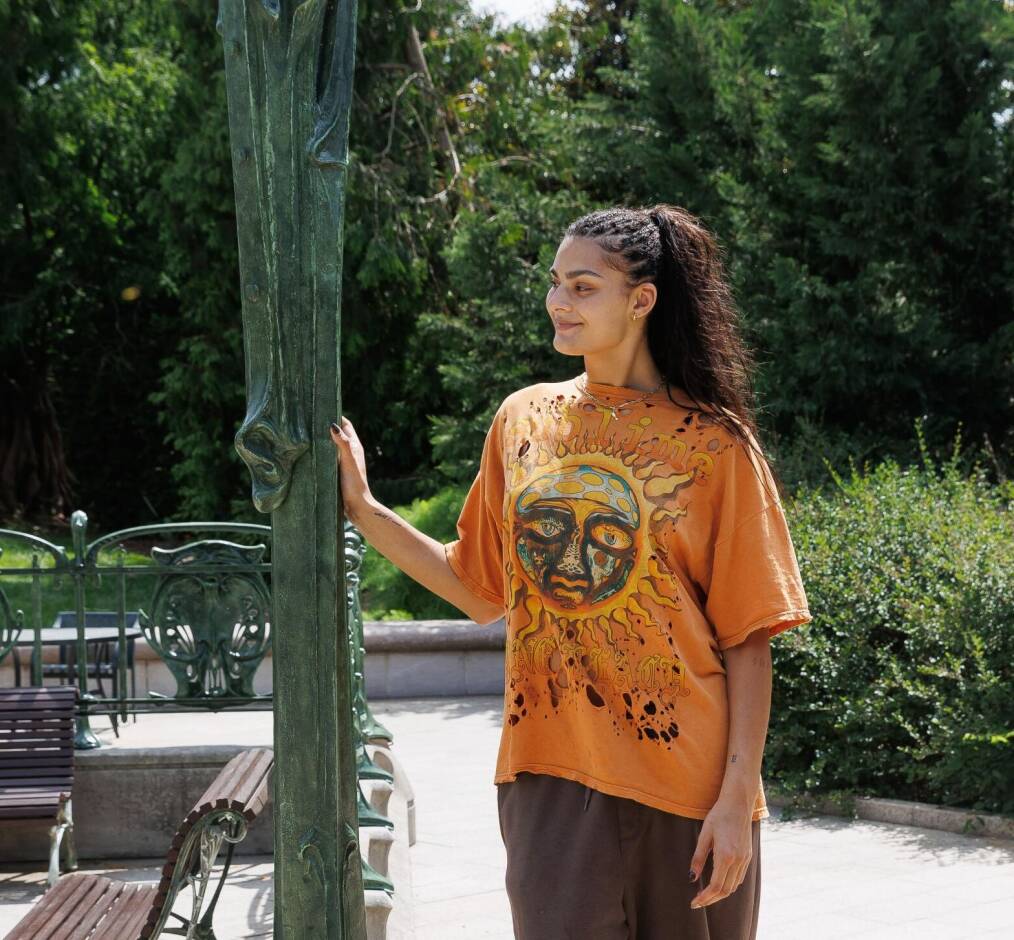
That doesn't mean basketball matters any less. If anything, Betts believes maintaining that balance allows her to bring more of herself into the game. The same is true of the relationships she builds along the way.
When discussing her transition to the professional level, she repeatedly returns to teammates, coaches, and the connections that make a team feel like a team. "I love to surround myself with the people I'm working with," she says. "Trust and relationships is something that I really stand on."
That perspective feels particularly relevant in a league where chemistry can often be the difference between a good team and a great one. Betts believes the trust built away from the court inevitably shows up on it.
The strongest teams, in her view, are built on genuine connection. Still, connection requires energy. And energy requires boundaries. One of the most valuable wellness lessons she has learned is that showing up for others sometimes requires stepping back for yourself.
Like many people, she struggles with saying no. She wants to be available. Helpful. Present. But she has also learned what happens when she ignores her own needs for too long. "You don't want it to get to a point where you're really burnt out," she says.
Protecting her time is not always comfortable. Sometimes it means choosing herself when she'd rather accommodate someone else. Yet she has come to see that as an essential part of wellness. "I think sometimes, in order to be your best self, you have to be selfish sometimes," she says.
It's a lesson that feels increasingly valuable in a world that celebrates constant activity.
Betts is entering one of the most exciting chapters of her basketball career. The expectations are higher. The spotlight is brighter. The opportunities are bigger.
But as she navigates life as a professional athlete, she continues to return to the same principles that guided her through college: make time for the people who matter, find joy outside of the game, and leave room for yourself within the schedule.
Sometimes that looks like dinner with teammates or finding a new coffee spot. And sometimes it looks like a drive with the music turned up, nowhere specific to go, and a few quiet moments to simply be.
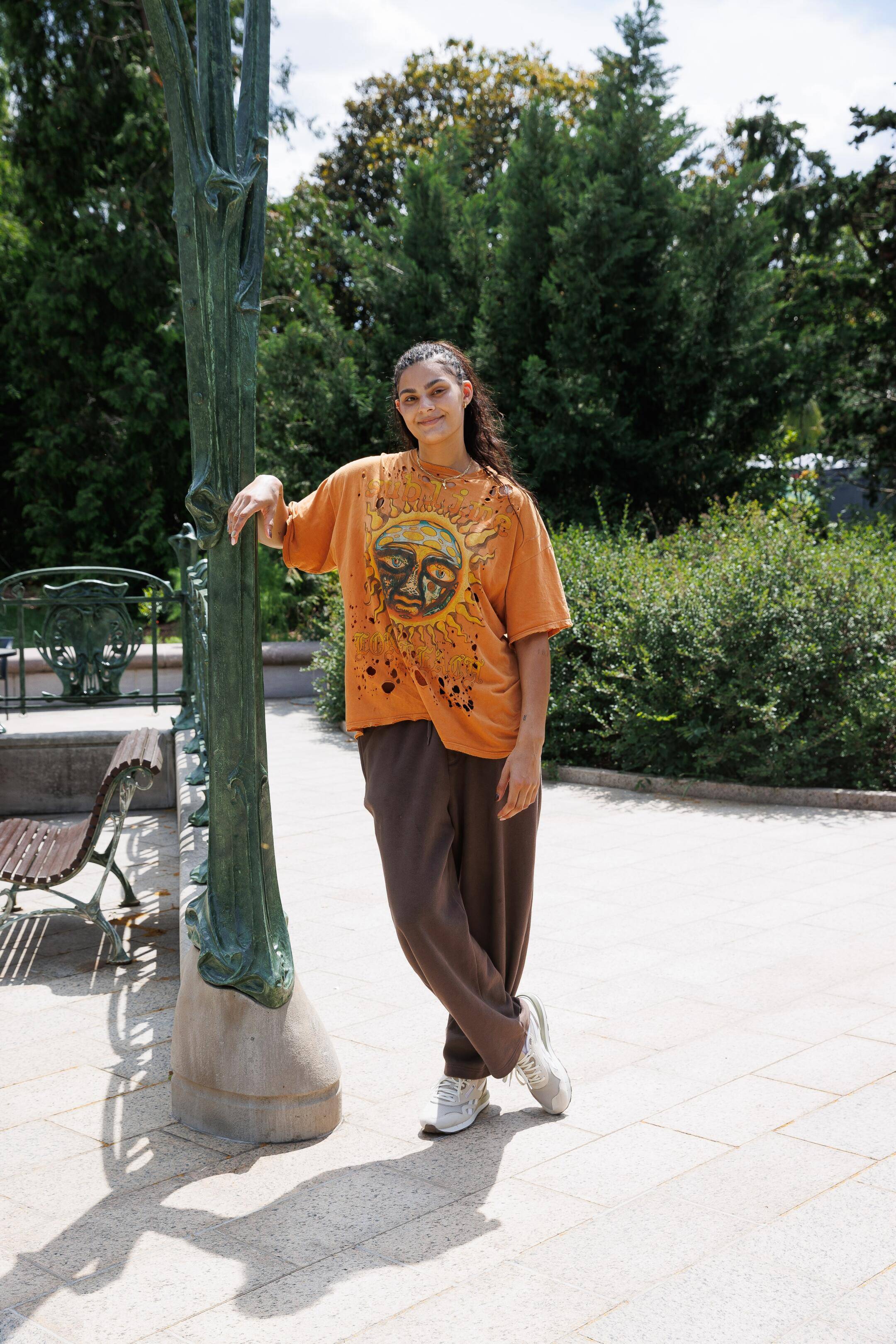
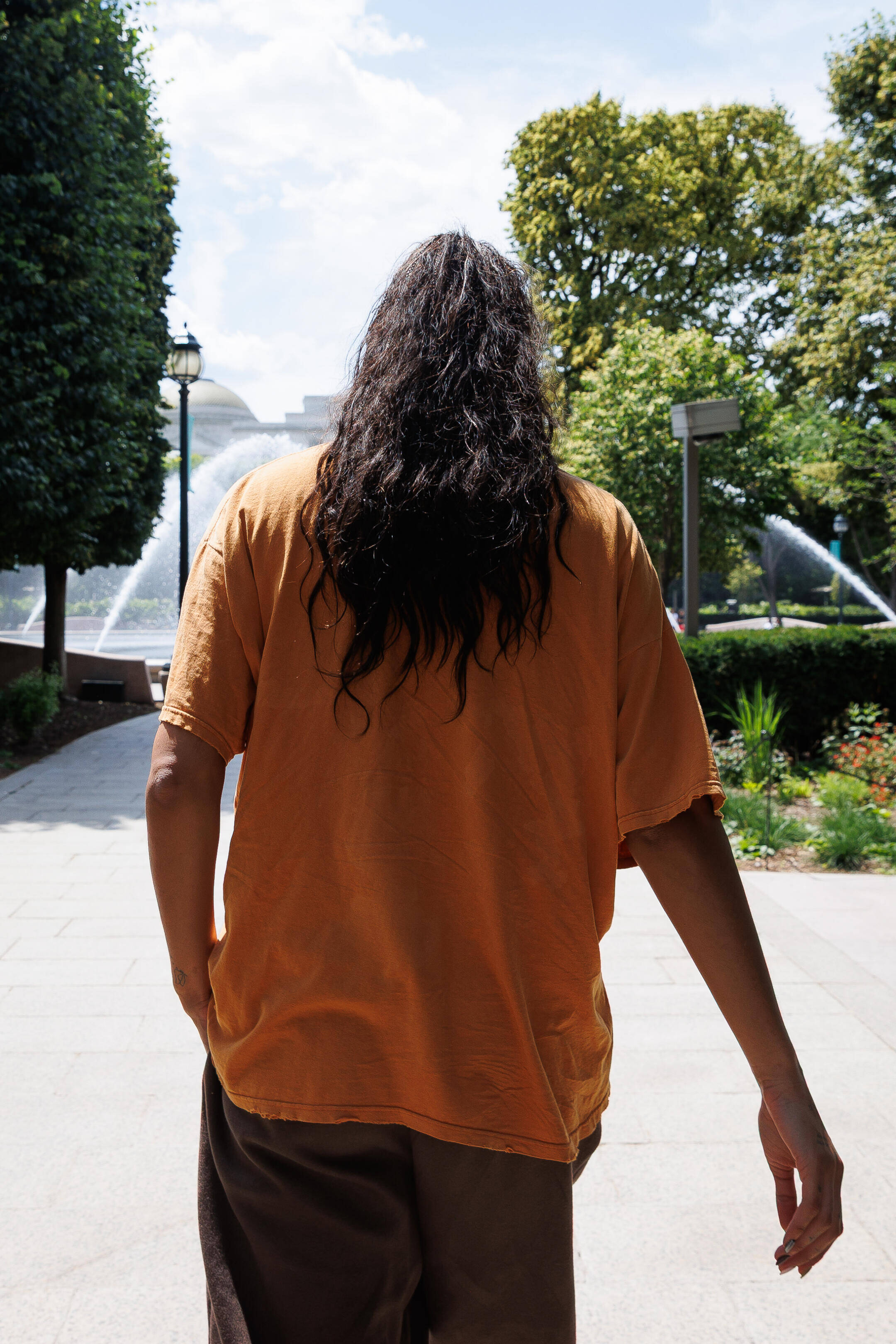
During her time at UCLA, Lauren Betts would often find herself behind the wheel, music turned up, driving along the Pacific Coast Highway with nowhere in particular she needed to be. Practices, workouts, classes, and expectations filled most of her days, but those drives offered something different. Space. A chance to think. A chance not to think.
"A lot of people don't know this about me, but I really love going on drives," Betts says. "I really enjoy blasting music and just going on drives. When I went to UCLA, driving down PCH was something that brought me joy."
It's a small detail, but it says a lot about who she is.
Before becoming the fourth overall pick in the 2026 WNBA Draft, Betts established herself as one of the most accomplished players in UCLA history. She helped lead the Bruins to their first NCAA Championship, earned Final Four Most Outstanding Player honors, and finished her career among the program's all-time leaders in nearly every major statistical category.
Her basketball résumé is impressive. But when Betts talks about health, wellness, and what allows her to perform at her best, the conversation quickly moves away from statistics and accolades. Instead, she talks about balance.
For Betts, wellness is not defined by a perfect routine or a carefully curated checklist. It is about creating a life that feels sustainable, one where basketball remains important without becoming everything. "I think managing your time, making sure that you're finding gaps in your schedule where you can take care of you and having a really good balance of both. I think that's what it's all about," she says.
That philosophy has become even more important during her transition from college basketball to the professional game. For years, her days followed a predictable rhythm. Classes. Practices. Team meetings. Travel. Study sessions. There was always somewhere to be and something demanding her attention.
Professional basketball comes with its own demands, but it also introduced something many athletes have never had much experience with. Freedom.
"It's really up to you what your life looks like and what your day looks like," Betts says. "You're an adult, and it's up to you what you make it." The adjustment has required a different kind of discipline. Without school filling large portions of her schedule, Betts has found herself thinking more intentionally about how she spends her time away from basketball. It's easy, she admits, to stay inside and rest when the workday ends. It's harder to push yourself to explore a new city, try something different, or invest in interests outside of the game.
"I think just trying to make sure that I'm fulfilling that time," she says. "It's really easy to just go and lay in bed for the rest of the day." The idea of fulfillment comes up often throughout the conversation. Not accomplishment. Not productivity. Fulfillment. Betts is thoughtful about the difference.
For much of her basketball career, she has worked to make sure the sport remains something she does rather than something that completely defines her. It sounds simple, but for elite athletes, that separation can be difficult to maintain.
Athletes are constantly evaluated. Every performance is analyzed. Success and failure often feel public. Learning to separate personal worth from basketball results has been an ongoing process. "I feel like that's something that I've worked on my entire career," she says. "Trying not to look at the way I play basketball and let that value who I am as a person." That lesson is one she would gladly share with her younger self.
"Don't let basketball define who you are as a person," she says. "It's just a job. It's something that you do. Remember why you're doing it, and don't let anybody take your joy from who you are as a person."
Joy, for Betts, often lives in ordinary places. A coffee shop she hasn't tried before. An afternoon by the pool. Shopping for clothes or putting together an outfit.
She laughs when admitting that shopping remains one of her favorite ways to spend an afternoon. "Especially because of tunnel fits and everything," she says. "That's something that I really enjoy doing." There is a confidence in that answer. A willingness to embrace interests that exist completely outside of basketball.
Throughout her career, Betts has resisted the idea that athletes should be singularly always focused on their sport.
In fact, she sees balance as one of her greatest strengths.
While some athletes prefer to spend every available moment thinking about their game, Betts has always looked for opportunities to engage with the world beyond it. That mindset was one of the things she appreciated most about her experience at UCLA, where life extended well beyond the gym.
"I still feel like there are a lot of athletes who make basketball or whatever they do their entire lives," she says. "And that's not who I am."