As women's basketball reaches new heights, one of the sport's most respected voices reflects on growth, leadership, and the responsibility that comes with progress.
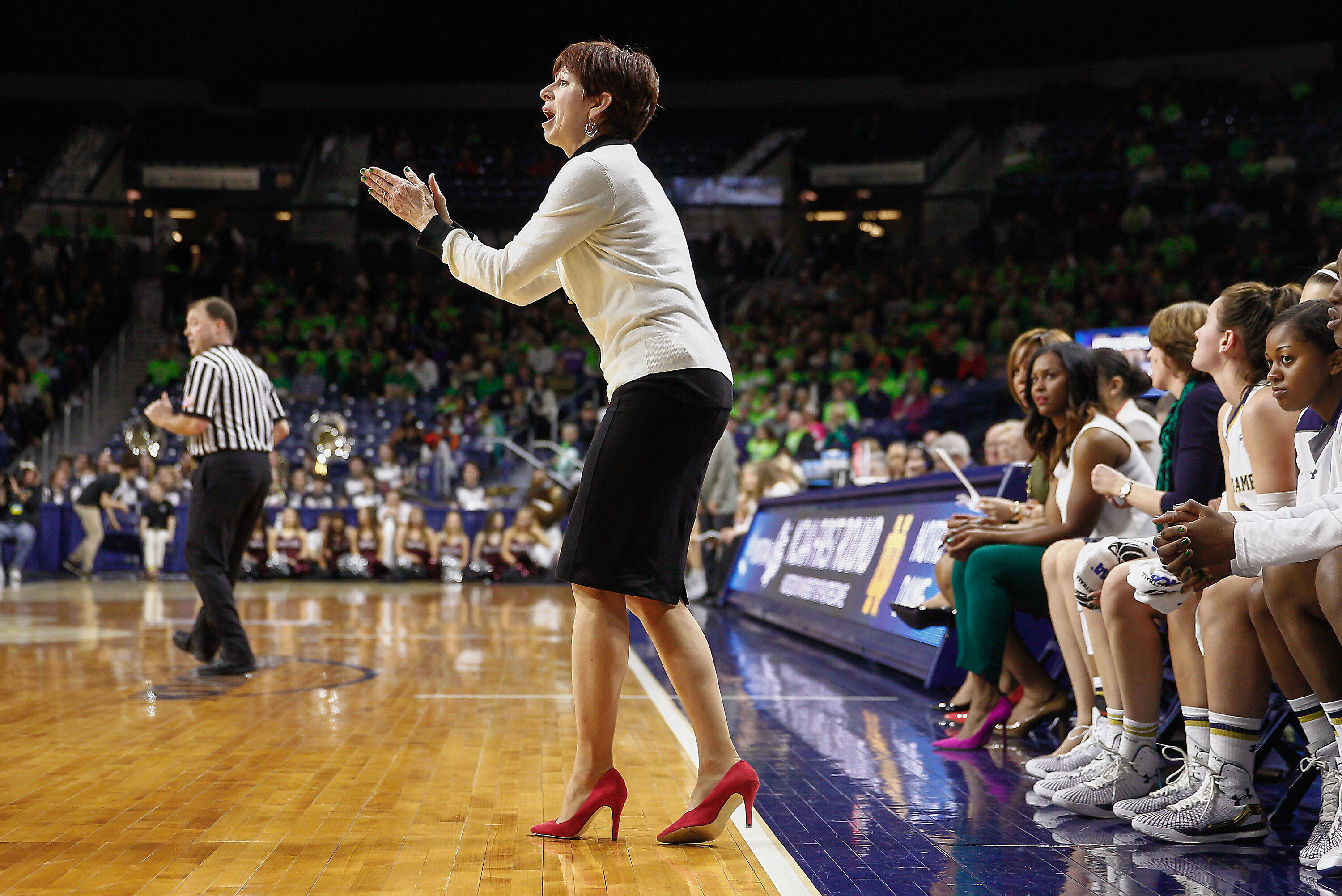
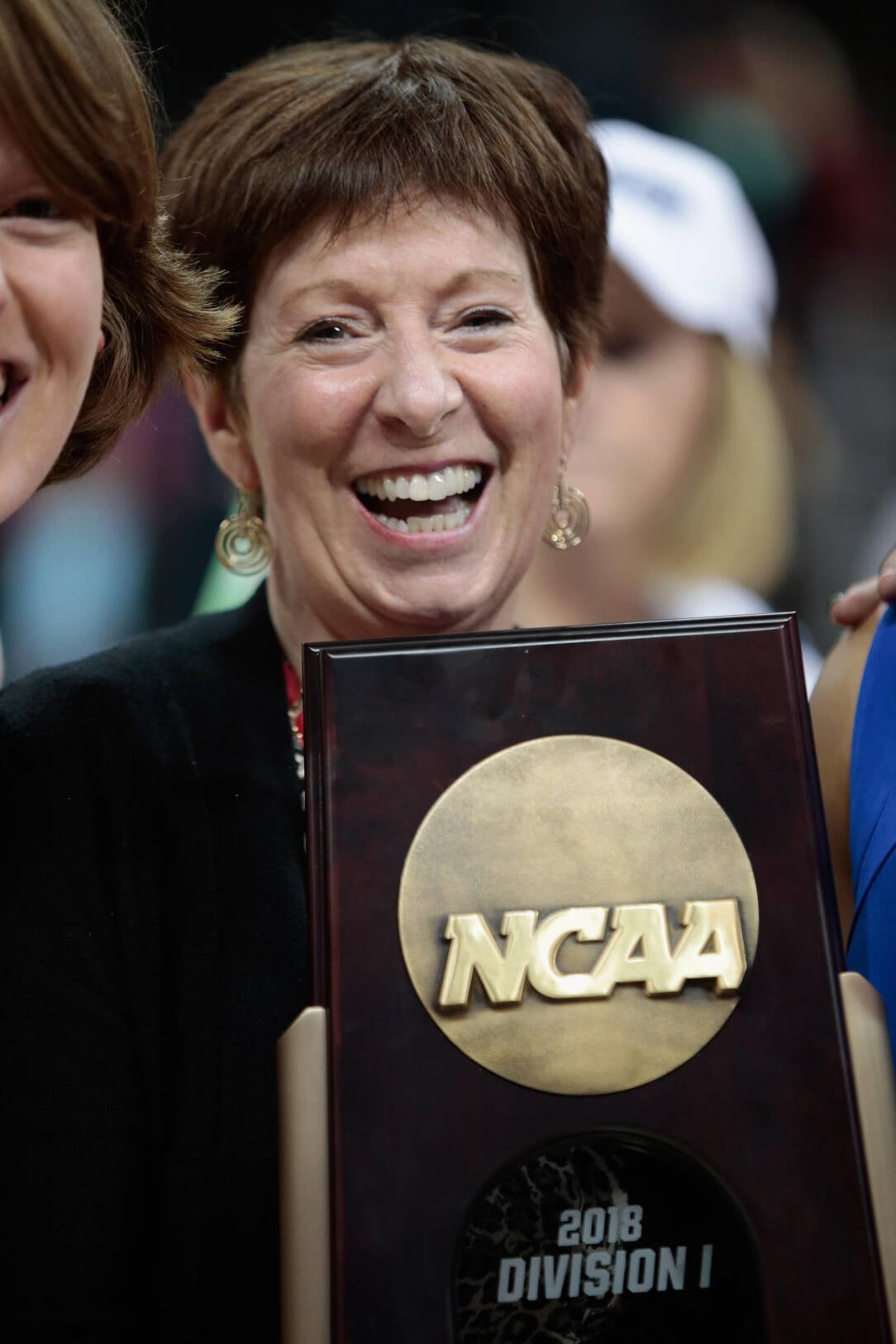
When McGraw reflects on the early years of her coaching career, the contrast between then and now is impossible to ignore. The sport has changed. The business has changed. The demands placed on coaches have changed.
"When I started coaching, it was 90% X's and O's and all about coaching," she says.
Today, coaches navigate a landscape shaped by NIL, the transfer portal, recruiting cycles that never truly end, and constant roster movement.
"It's 24-7," she says.
The challenge isn't simply keeping up with the changes. It's what those changes mean for the future of the profession, particularly for women.
"My big fear is that we're going to leave women behind," McGraw says. "Female coaches are just going to want to get out because it's too much."
It's a concern that comes from experience. Throughout her career, McGraw has seen firsthand how difficult it can be for women to navigate leadership positions in sports while balancing family, career ambitions, and the expectations that come with both.
Those realities have fueled one of the causes she has become most passionate about: creating more opportunities for women to lead.
"I got to a point where I was just frustrated with seeing so many men in our game," she says.
As women's basketball enters one of the most visible periods in its history, few people have witnessed more of the journey than Muffet McGraw.
From building a national powerhouse at Notre Dame to helping shape conversations around the sport as an ESPN analyst, McGraw has spent decades watching the game evolve. She has coached All-Americans, national champions, and future professionals. She has watched sold-out arenas become the norm instead of the exception. And she has seen a game that once fought for attention become impossible to ignore.
Now, with women's basketball reaching new audiences and new heights, McGraw sees both how far it has come and where it still needs to go.
But away from the spotlight, her life looks surprisingly simple.
"I'm an introvert," she says with a laugh. "I like to spend time doing Wordle puzzles and spending time in my garden. And playing golf. They're addicting. I hate to miss a day."
That image feels almost at odds with the coach who spent nearly four decades pacing sidelines and competing at the highest level. Yet it reflects something that has always defined McGraw. She has never been interested in attention for attention's sake. The work has always mattered more.
That work began in a very different era of college basketball.
For years, McGraw has used her platform to advocate for greater representation across coaching staff, athletic departments, and executive leadership positions. Progress has happened, but in her view, not quickly enough.
"Women need to hire women. Men need to hire women," she says.
Her message is direct because she believes the stakes are real. Growth cannot simply be measured by attendance numbers, television ratings, or social media engagement. Those things matter. But sustainable progress also requires women occupying positions of influence.
That is where mentorship comes in.
Or perhaps more accurately, advocacy.
"When you get to the table, you've got to reach back and pull up another woman," McGraw says.
It's a line that captures her philosophy as clearly as any coaching principle ever could.
McGraw believes leadership is about creating pathways for others. Teaching matters. Mentorship matters. But she believes true progress happens when people in positions of power actively create opportunities for the next generation.
"We need advocates," she says. "We need people at the table."
That perspective extends naturally into her current role with ESPN.
"I love hearing people talking about it," McGraw says. "I love that so many more people are interested in what's going on in the league. They know more of the players."
For someone who has spent her life in the game, that growth is rewarding.
But McGraw is not interested in celebrating progress and calling the job finished.
She points to the criticism that women athletes continue to face online. She points to the leadership gaps that still exist. She points to the need for stronger networks of support among women themselves.
"We need to support each other," she says. "There's room for all of us."
The comment feels particularly fitting coming from someone whose career has been built on developing others.
Whether she was preparing players for the professional ranks, mentoring young coaches, or now helping viewers understand the nuances of the game from a broadcast desk, the mission has remained remarkably consistent.
Teach. Support. Advocate. Create opportunities.
Success, McGraw believes, comes with responsibility.
The responsibility to mentor. To advocate. To make sure the next generation has more opportunities than the one before.
Women's basketball has never had more momentum. The spotlight is brighter. The audience is larger. The future feels full of possibilities.
But for McGraw, progress has never been measured by attention alone. It's measured by who gets a seat at the table and by who reaches back to bring someone else with them.
For McGraw, stepping into broadcasting was never about replacing coaching.
"I love it because it keeps me connected to the game," she says.
In many ways, it has given her a wider lens than she ever had on the sideline.
As a coach, much of her attention was focused on preparing for the next opponent. Today, she watches teams across the country. She studies trends. She follows emerging players. She pays attention to programs that may not always command national headlines.
And she enjoys bringing a perspective that is relatively rare in the analyst's chair.
"A lot of the analysts were players, but there are not a lot of coaches," she says. "I think I have a different perspective to bring."
The role has also reinforced something she has believed for years: visibility matters.
Women's basketball did not arrive at this moment by accident.
"I think it's been growing and growing," McGraw says. "We've been building this for a long time."
Years of investment. Generations of players. Coaches who continued pushing the game forward even when the attention wasn't there.
Today, the results are impossible to miss.
More fans are watching, and more young players can envision a future in basketball than ever before.
As women's basketball reaches new heights, one of the sport's most respected voices reflects on growth, leadership, and the responsibility that comes with progress.
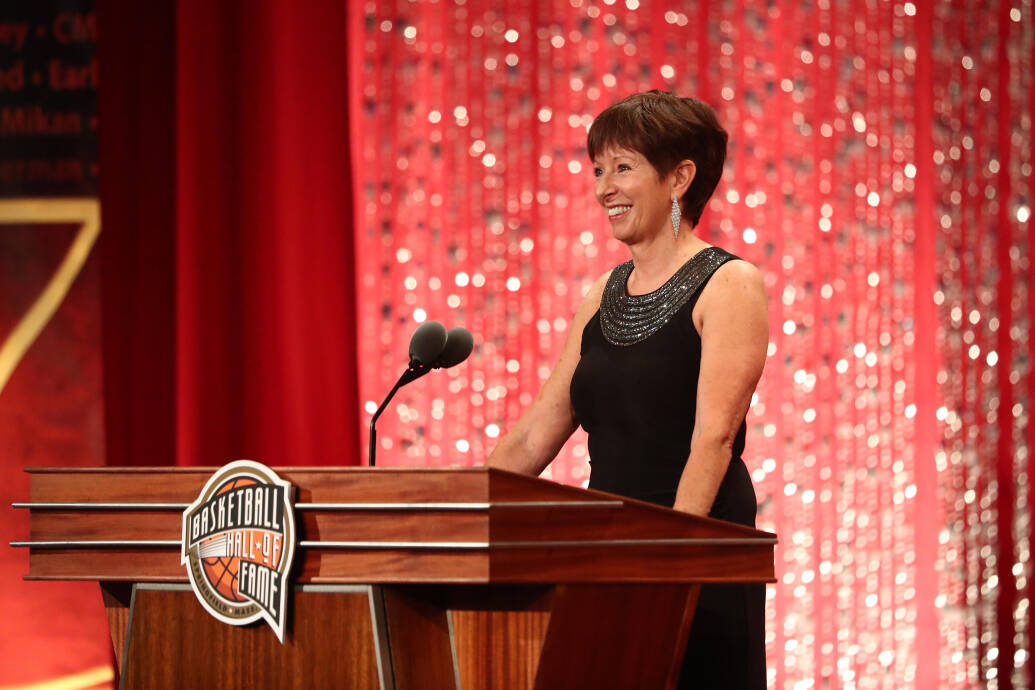
For McGraw, stepping into broadcasting was never about replacing coaching.
"I love it because it keeps me connected to the game," she says.
In many ways, it has given her a wider lens than she ever had on the sideline.
As a coach, much of her attention was focused on preparing for the next opponent. Today, she watches teams across the country. She studies trends. She follows emerging players. She pays attention to programs that may not always command national headlines.
And she enjoys bringing a perspective that is relatively rare in the analyst's chair.
"A lot of the analysts were players, but there are not a lot of coaches," she says. "I think I have a different perspective to bring."
The role has also reinforced something she has believed for years: visibility matters.
Women's basketball did not arrive at this moment by accident.
"I think it's been growing and growing," McGraw says. "We've been building this for a long time."
Years of investment. Generations of players. Coaches who continued pushing the game forward even when the attention wasn't there.
Today, the results are impossible to miss.
More fans are watching, and more young players can envision a future in basketball than ever before.
For years, McGraw has used her platform to advocate for greater representation across coaching staff, athletic departments, and executive leadership positions. Progress has happened, but in her view, not quickly enough.
"Women need to hire women. Men need to hire women," she says.
Her message is direct because she believes the stakes are real. Growth cannot simply be measured by attendance numbers, television ratings, or social media engagement. Those things matter. But sustainable progress also requires women occupying positions of influence.
That is where mentorship comes in.
Or perhaps more accurately, advocacy.
"When you get to the table, you've got to reach back and pull up another woman," McGraw says.
It's a line that captures her philosophy as clearly as any coaching principle ever could.
McGraw believes leadership is about creating pathways for others. Teaching matters. Mentorship matters. But she believes true progress happens when people in positions of power actively create opportunities for the next generation.
"We need advocates," she says. "We need people at the table."
That perspective extends naturally into her current role with ESPN.
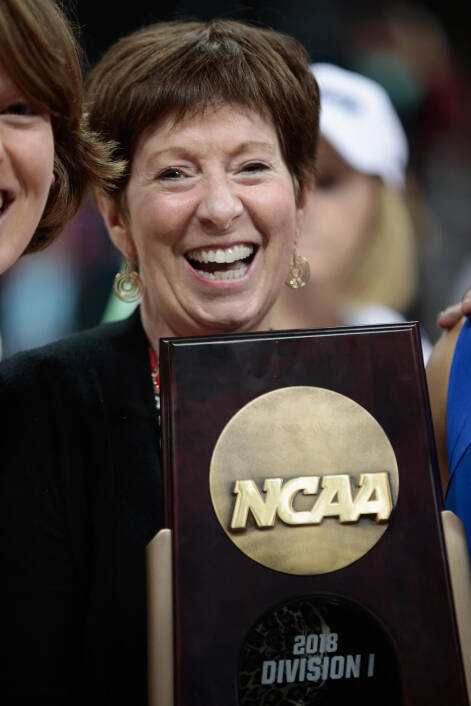
As women's basketball enters one of the most visible periods in its history, few people have witnessed more of the journey than Muffet McGraw.
From building a national powerhouse at Notre Dame to helping shape conversations around the sport as an ESPN analyst, McGraw has spent decades watching the game evolve. She has coached All-Americans, national champions, and future professionals. She has watched sold-out arenas become the norm instead of the exception. And she has seen a game that once fought for attention become impossible to ignore.
Now, with women's basketball reaching new audiences and new heights, McGraw sees both how far it has come and where it still needs to go.
But away from the spotlight, her life looks surprisingly simple.
"I'm an introvert," she says with a laugh. "I like to spend time doing Wordle puzzles and spending time in my garden. And playing golf. They're addicting. I hate to miss a day."
That image feels almost at odds with the coach who spent nearly four decades pacing sidelines and competing at the highest level. Yet it reflects something that has always defined McGraw. She has never been interested in attention for attention's sake. The work has always mattered more.
That work began in a very different era of college basketball.
When McGraw reflects on the early years of her coaching career, the contrast between then and now is impossible to ignore. The sport has changed. The business has changed. The demands placed on coaches have changed.
"When I started coaching, it was 90% X's and O's and all about coaching," she says.
Today, coaches navigate a landscape shaped by NIL, the transfer portal, recruiting cycles that never truly end, and constant roster movement.
"It's 24-7," she says.
The challenge isn't simply keeping up with the changes. It's what those changes mean for the future of the profession, particularly for women.
"My big fear is that we're going to leave women behind," McGraw says. "Female coaches are just going to want to get out because it's too much."
It's a concern that comes from experience. Throughout her career, McGraw has seen firsthand how difficult it can be for women to navigate leadership positions in sports while balancing family, career ambitions, and the expectations that come with both.
Those realities have fueled one of the causes she has become most passionate about: creating more opportunities for women to lead.
"I got to a point where I was just frustrated with seeing so many men in our game," she says.
"I love hearing people talking about it," McGraw says. "I love that so many more people are interested in what's going on in the league. They know more of the players."
For someone who has spent her life in the game, that growth is rewarding.
But McGraw is not interested in celebrating progress and calling the job finished.
She points to the criticism that women athletes continue to face online. She points to the leadership gaps that still exist. She points to the need for stronger networks of support among women themselves.
"We need to support each other," she says. "There's room for all of us."
The comment feels particularly fitting coming from someone whose career has been built on developing others.
Whether she was preparing players for the professional ranks, mentoring young coaches, or now helping viewers understand the nuances of the game from a broadcast desk, the mission has remained remarkably consistent.
Teach. Support. Advocate. Create opportunities.
Success, McGraw believes, comes with responsibility.
The responsibility to mentor. To advocate. To make sure the next generation has more opportunities than the one before.
Women's basketball has never had more momentum. The spotlight is brighter. The audience is larger. The future feels full of possibilities.
But for McGraw, progress has never been measured by attention alone. It's measured by who gets a seat at the table and by who reaches back to bring someone else with them.