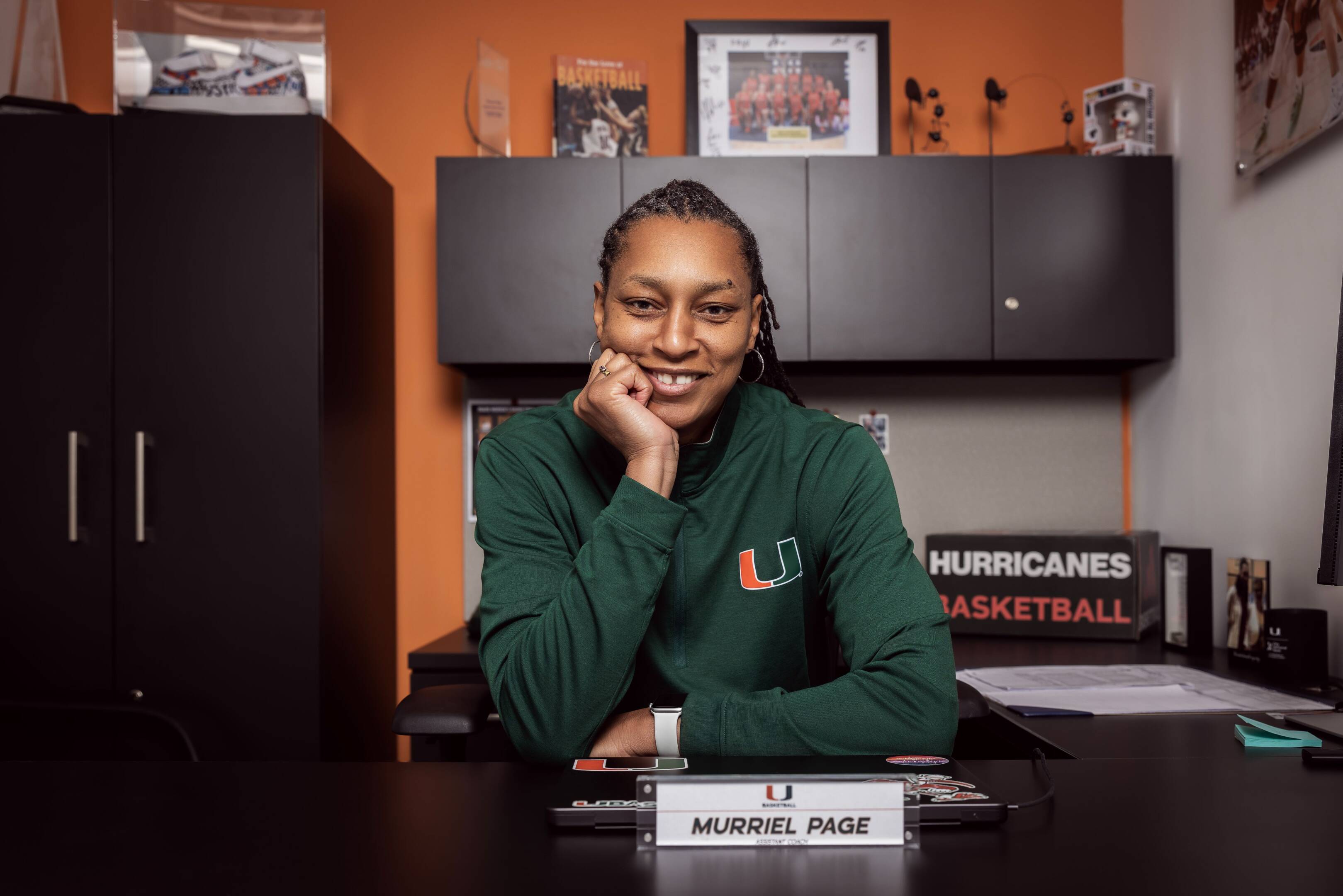
From the Mystics’ first draft pick to mentoring the next generation at Miami, Murriel Page is redefining what it means to lead.
As the WNBA approaches its 30th season, the league finds itself in a reflective moment. The game has grown. The spotlight is brighter. The conversations around it are louder and more layered than ever. But before the sold-out arenas and national broadcasts, there were players laying the groundwork without knowing exactly what the future would look like. For the Washington Mystics, that story begins with Murriel Page — the franchise’s first-ever draft pick in 1998 — one of the women who helped build something that would continue long after her final game.
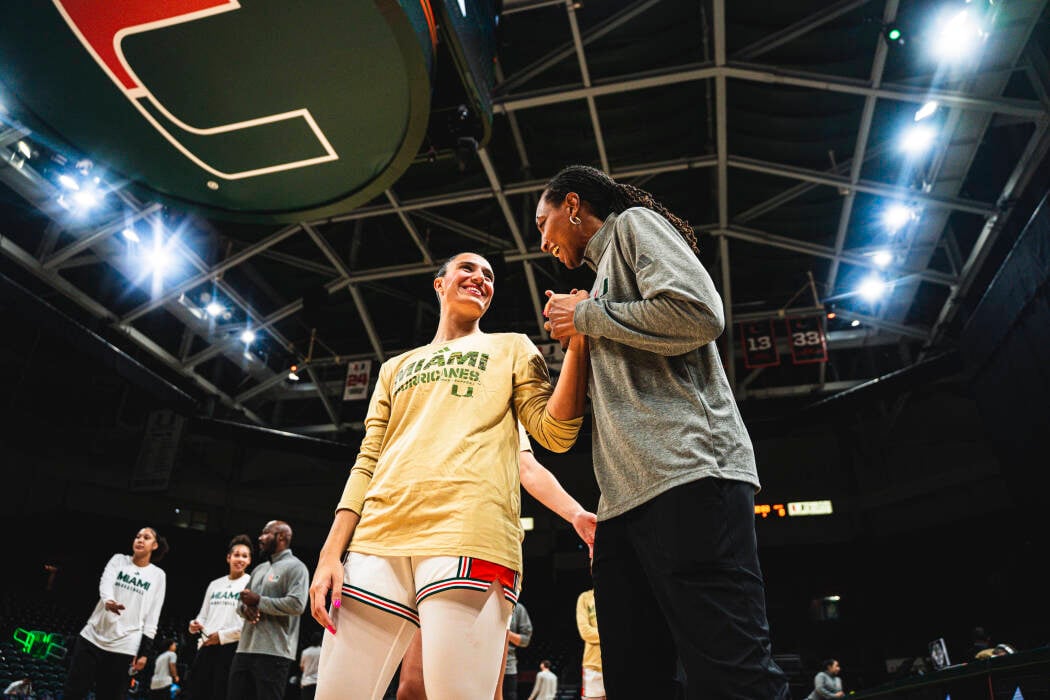
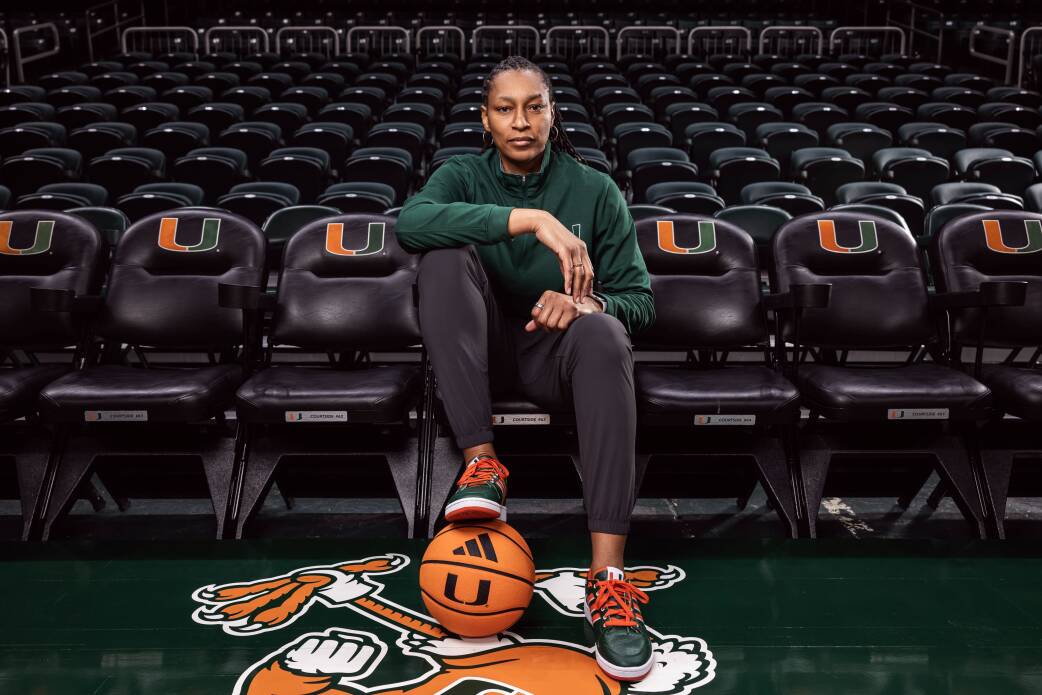
“Sometimes we get caught up in X’s and O’s,” she says. “But they’re people first. If they know how important they are to you as a person, the basketball side becomes easier.”
The shift from player to coach was not immediate. She tore her Achilles while trying out for a team in Phoenix. She played another year overseas in Spain. She still believed she had more in her.
Then a visit to her alma mater changed everything.
On the sideline now, she describes herself as a “silent coach.” As a player, she was vocal, energetic, and impossible to miss. As a coach, she observes. Waits. Chooses her moments carefully.
“There’s always that one player who won’t say they don’t understand,” she says. “I try to be the coach that goes over and asks quietly.”
It is a balance of authority and empathy. Of pushing without breaking.
“I’ve had players tell me, ‘Coach Page, your expectations are too high,’” she says. “And I tell them, I’m not lowering them. But I’ll meet you halfway. Because if I stop pushing you, I’m not doing my job.”
What surprised her most was not the X’s and O’s. It was recruiting. Endless phone calls. The travel. The sleepless nights spent building trust with families who are placing their daughters’ futures in your hands.
“As a player, you don’t realize what all goes into getting someone to come play for you,” she says. “The basketball part comes easily. The demand of recruiting is different.”
Still, relationships have always been her foundation.
Back in D.C., Page was known for connecting with fans as much as opponents. She ran camps. Visited community centers. Said yes when someone asked her to speak to their daughters’ team.
“I loved the fans,” she says. “I was always willing to do whatever I could to get out into the community.”
That instinct to connect never left.
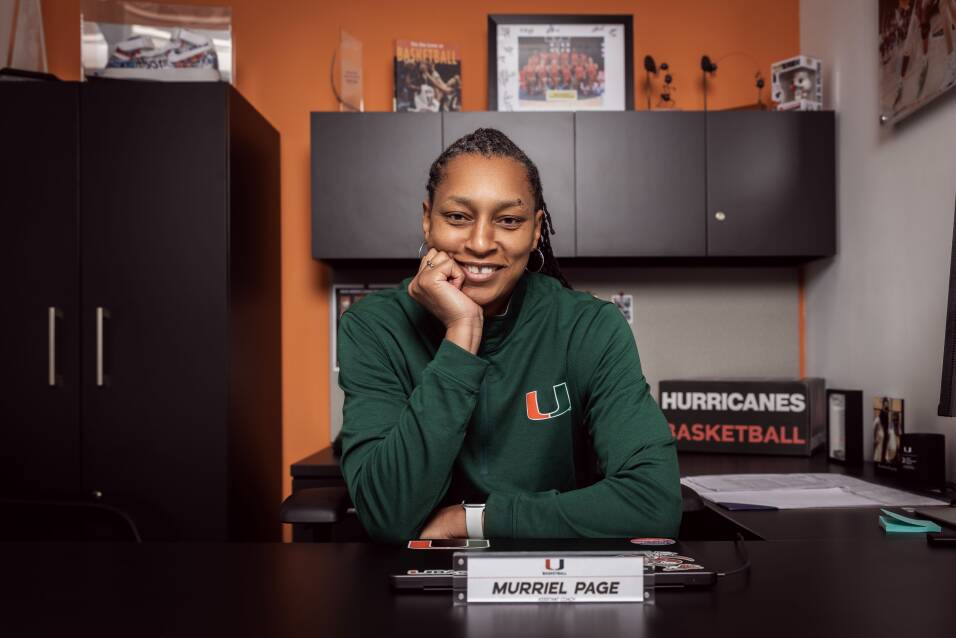
Page’s office at the University of Miami tells a quieter version of that story. Framed jerseys. Team photos. Small reminders of a journey that started in a small town in Mississippi, took her to the University of Florida, and eventually to Washington as a first-round draft pick.
But sit down with her, and she does not lead with any of that. “That’s not who I am,” she says when her résumé comes up. “That’s a part of me. But that’s not who I am.”
When she first transitioned into coaching, she expected players to respond the way she once had. Instruction given. Instruction executed. No questions were asked.
“As a player, if my coach told me to do something, I just went and did it,” she explains. “Now you have to give them the why. You have to show them the result before they try it.”
The adjustment was not tactical. It was relational.
She remembers entering coaching and realizing that, outside of her close circle, many of the people most willing to share advice and opportunity were men. The landscape has improved, she says, but the lesson remains. Women must choose collaboration over comparison.
“As women, we have to continue to share ideas, continue to meet, continue to talk, and continue to support each other,” says Page.
She points to mentors like Dawn Staley as examples of what that looks like. Applaud excellence. Study it. Celebrate it. Build from it. And when women walk into rooms that were not always built for them? Her answer is immediate.
“Walk in every room with your head up, your shoulders back, and know that you belong,” she says. “If you don’t believe you belong, you’re not going to do well.”
Confidence, she has learned, is not always a feeling. Sometimes it is posture.
“You might not know what I’m feeling inside,” she says. “But I walk in like I’m supposed to be there.”
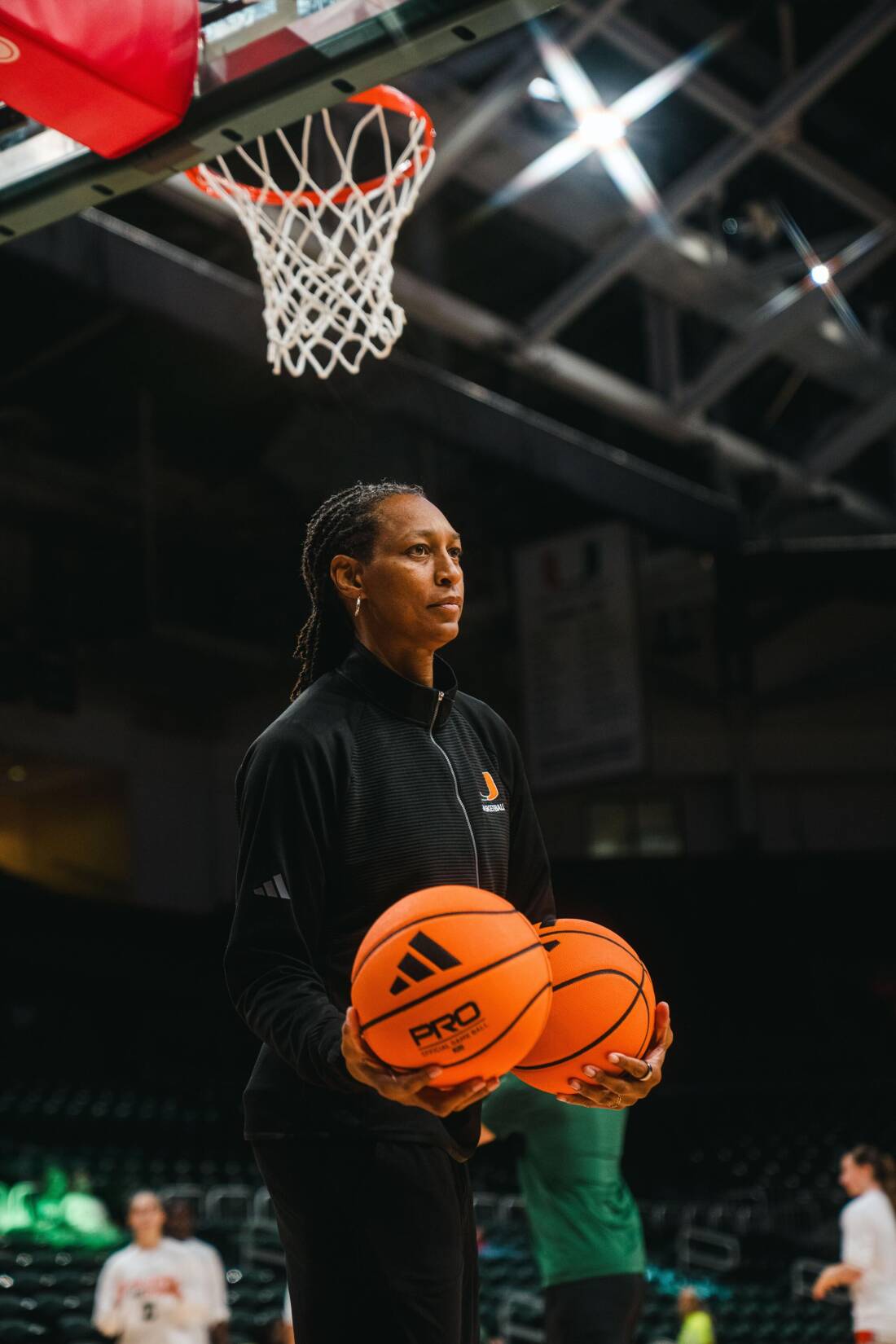
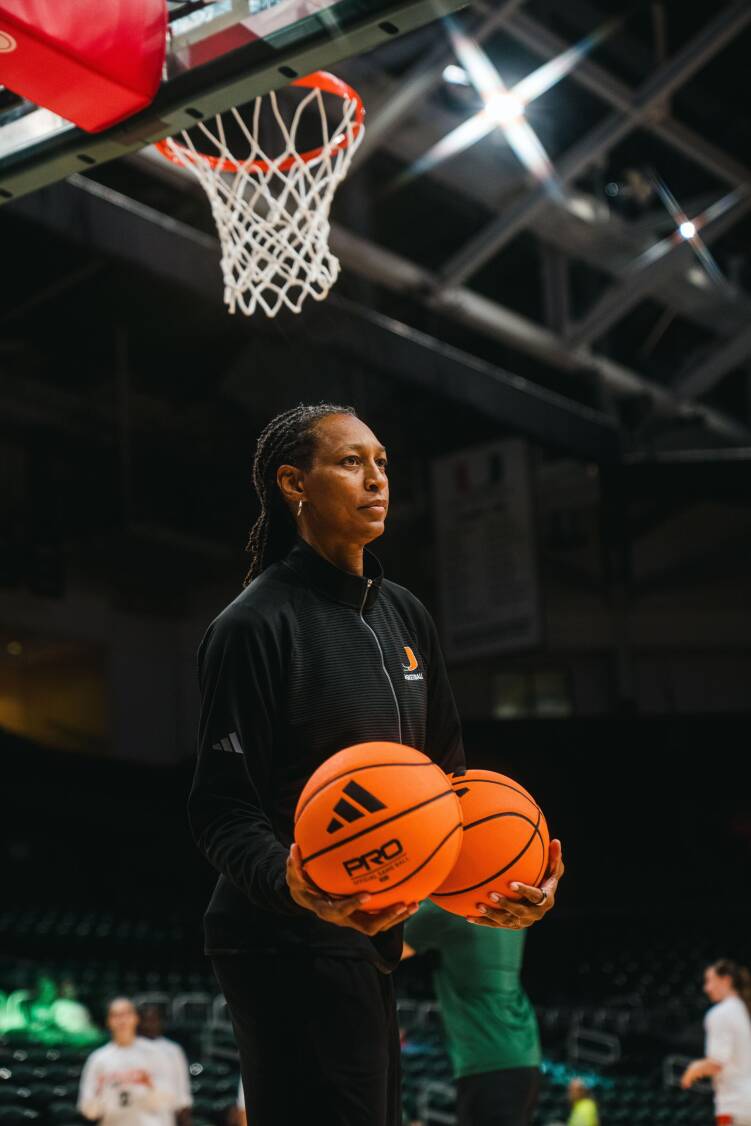
On the practice court in Miami, Page moves between drills, pausing to correct footwork, to encourage, to challenge. The trophies and draft history matter. The banners matter.
But when players return years later, she hopes they remember something else.
“I want people to remember how I treated them,” she says. “Not the awards. Not the medals. But my character.”
And as the league she helped build steps into its 30th season, her influence lives not just in record books, but in every room she enters.
Amanda Butler, her former coach at Florida, offered her a position. Page hesitated. She was still young. Still playing.
But the opportunity to begin her coaching career at Florida, under someone she trusted, felt intentional.
“I talked to my family, talked to my mentors,” she says. “And I knew if I waited two years, I might not have that opportunity.”
She said yes.
Fifteen years later, she is still saying yes.
Identity shifts can be hard for athletes. Page does not shy away from that truth.
“Don’t be afraid,” she says. “You’re still part of that orange ball. You’re just on a different side of the line.”
She calls herself a chameleon. From Mississippi to Gainesville. From Spain to Italy. From player to coach. She has learned to adapt without losing herself.
Leadership, she believes, has not changed.
“As a player, I led by example,” she says. “As a coach, I do the same. I don’t have a hidden agenda. I’ve lived my dream. Now I want to help you live yours.”
That clarity extends beyond the court.
When asked how women can better support one another in career transitions, she is direct.
“We can’t be intimidated by each other,” she says. “The more we share ideas, talk, and support each other, the stronger we are.”
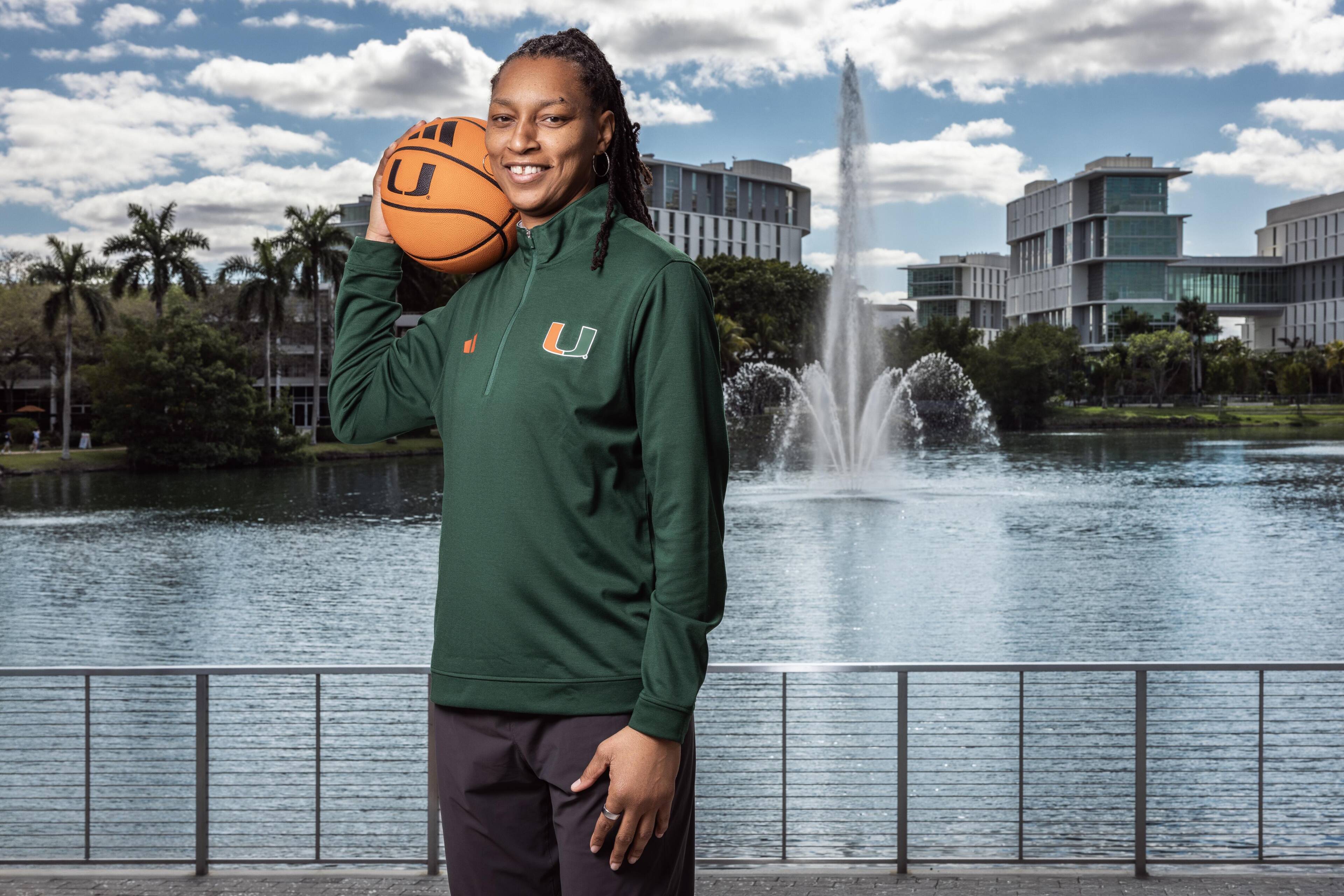
From the Mystics’ first draft pick to mentoring the next generation at Miami, Murriel Page is redefining what it means to lead.
As the WNBA approaches its 30th season, the league finds itself in a reflective moment. The game has grown. The spotlight is brighter. The conversations around it are louder and more layered than ever. But before the sold-out arenas and national broadcasts, there were players laying the groundwork without knowing exactly what the future would look like. For the Washington Mystics, that story begins with Murriel Page — the franchise’s first-ever draft pick in 1998 — one of the women who helped build something that would continue long after her final game.
She remembers entering coaching and realizing that, outside of her close circle, many of the people most willing to share advice and opportunity were men. The landscape has improved, she says, but the lesson remains. Women must choose collaboration over comparison.
“As women, we have to continue to share ideas, continue to meet, continue to talk, and continue to support each other,” says Page.
She points to mentors like Dawn Staley as examples of what that looks like. Applaud excellence. Study it. Celebrate it. Build from it. And when women walk into rooms that were not always built for them? Her answer is immediate.
“Walk in every room with your head up, your shoulders back, and know that you belong,” she says. “If you don’t believe you belong, you’re not going to do well.”
Confidence, she has learned, is not always a feeling. Sometimes it is posture.
“You might not know what I’m feeling inside,” she says. “But I walk in like I’m supposed to be there.”
On the practice court in Miami, Page moves between drills, pausing to correct footwork, to encourage, to challenge. The trophies and draft history matter. The banners matter.
But when players return years later, she hopes they remember something else.
“I want people to remember how I treated them,” she says. “Not the awards. Not the medals. But my character.”
And as the league she helped build steps into its 30th season, her influence lives not just in record books, but in every room she enters.
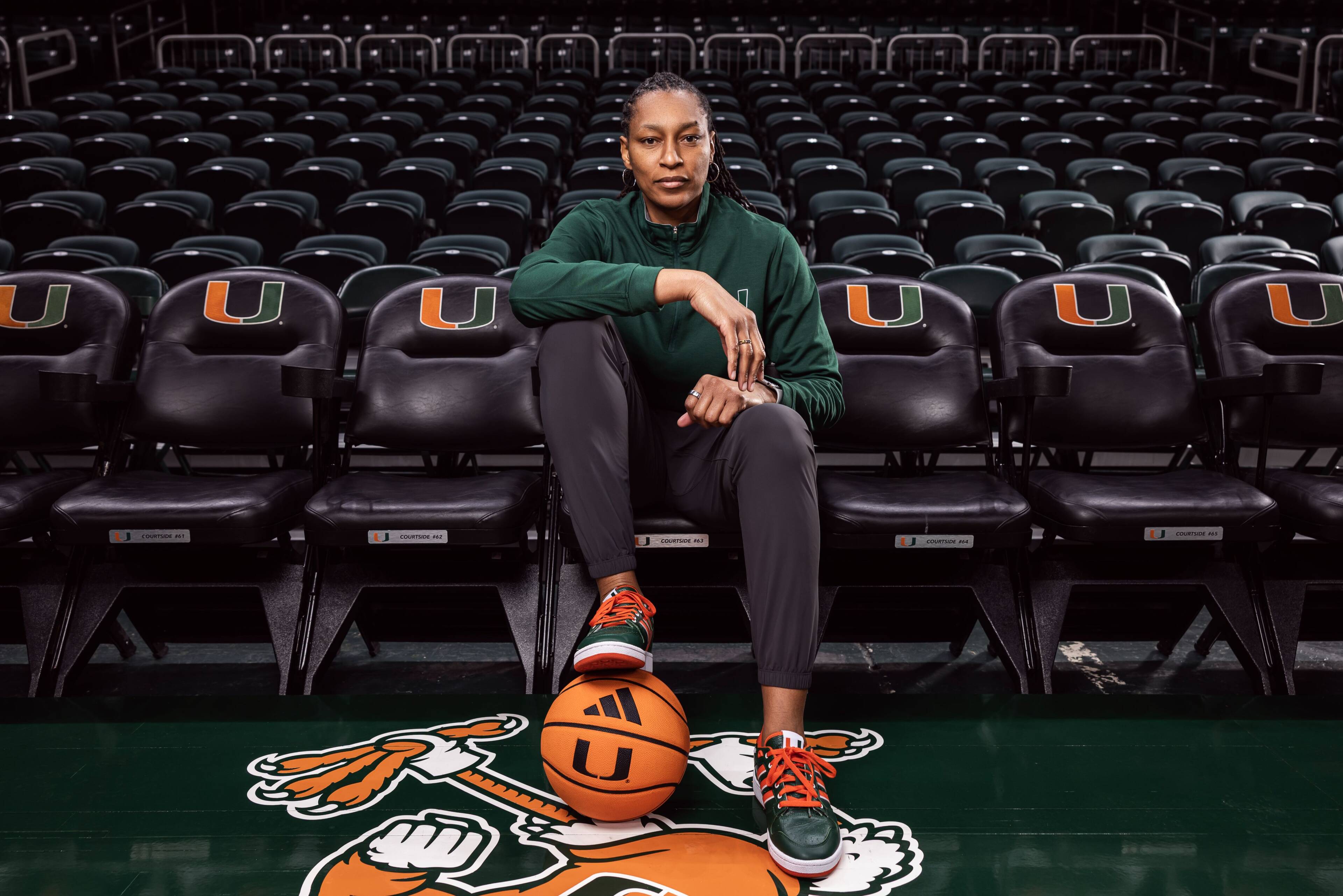
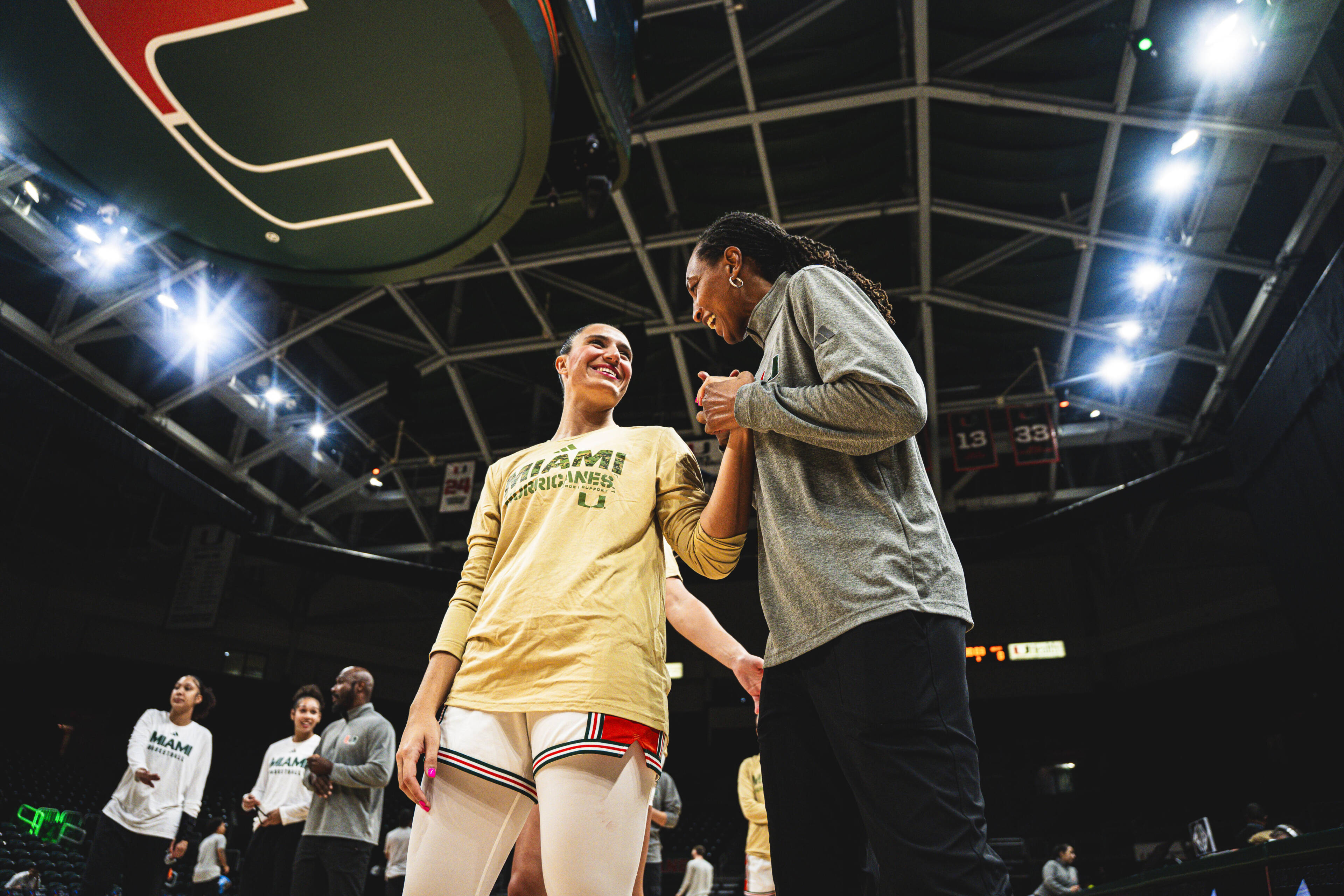
Page’s office at the University of Miami tells a quieter version of that story. Framed jerseys. Team photos. Small reminders of a journey that started in a small town in Mississippi, took her to the University of Florida, and eventually to Washington as a first-round draft pick.
But sit down with her, and she does not lead with any of that. “That’s not who I am,” she says when her résumé comes up. “That’s a part of me. But that’s not who I am.”
When she first transitioned into coaching, she expected players to respond the way she once had. Instruction given. Instruction executed. No questions were asked.
“As a player, if my coach told me to do something, I just went and did it,” she explains. “Now you have to give them the why. You have to show them the result before they try it.”
The adjustment was not tactical. It was relational.
What surprised her most was not the X’s and O’s. It was recruiting. Endless phone calls. The travel. The sleepless nights spent building trust with families who are placing their daughters’ futures in your hands.
“As a player, you don’t realize what all goes into getting someone to come play for you,” she says. “The basketball part comes easily. The demand of recruiting is different.”
Still, relationships have always been her foundation.
Back in D.C., Page was known for connecting with fans as much as opponents. She ran camps. Visited community centers. Said yes when someone asked her to speak to their daughters’ team.
“I loved the fans,” she says. “I was always willing to do whatever I could to get out into the community.”
That instinct to connect never left.
“Sometimes we get caught up in X’s and O’s,” she says. “But they’re people first. If they know how important they are to you as a person, the basketball side becomes easier.”
The shift from player to coach was not immediate. She tore her Achilles while trying out for a team in Phoenix. She played another year overseas in Spain. She still believed she had more in her.
Then a visit to her alma mater changed everything.
On the sideline now, she describes herself as a “silent coach.” As a player, she was vocal, energetic, and impossible to miss. As a coach, she observes. Waits. Chooses her moments carefully.
“There’s always that one player who won’t say they don’t understand,” she says. “I try to be the coach that goes over and asks quietly.”
It is a balance of authority and empathy. Of pushing without breaking.
“I’ve had players tell me, ‘Coach Page, your expectations are too high,’” she says. “And I tell them, I’m not lowering them. But I’ll meet you halfway. Because if I stop pushing you, I’m not doing my job.”
Amanda Butler, her former coach at Florida, offered her a position. Page hesitated. She was still young. Still playing.
But the opportunity to begin her coaching career at Florida, under someone she trusted, felt intentional.
“I talked to my family, talked to my mentors,” she says. “And I knew if I waited two years, I might not have that opportunity.”
She said yes.
Fifteen years later, she is still saying yes.
Identity shifts can be hard for athletes. Page does not shy away from that truth.
“Don’t be afraid,” she says. “You’re still part of that orange ball. You’re just on a different side of the line.”
She calls herself a chameleon. From Mississippi to Gainesville. From Spain to Italy. From player to coach. She has learned to adapt without losing herself.
Leadership, she believes, has not changed.
“As a player, I led by example,” she says. “As a coach, I do the same. I don’t have a hidden agenda. I’ve lived my dream. Now I want to help you live yours.”
That clarity extends beyond the court.
When asked how women can better support one another in career transitions, she is direct.
“We can’t be intimidated by each other,” she says. “The more we share ideas, talk, and support each other, the stronger we are.”