Why the surge in women’s sports was five decades in the making.
The data backs her up:

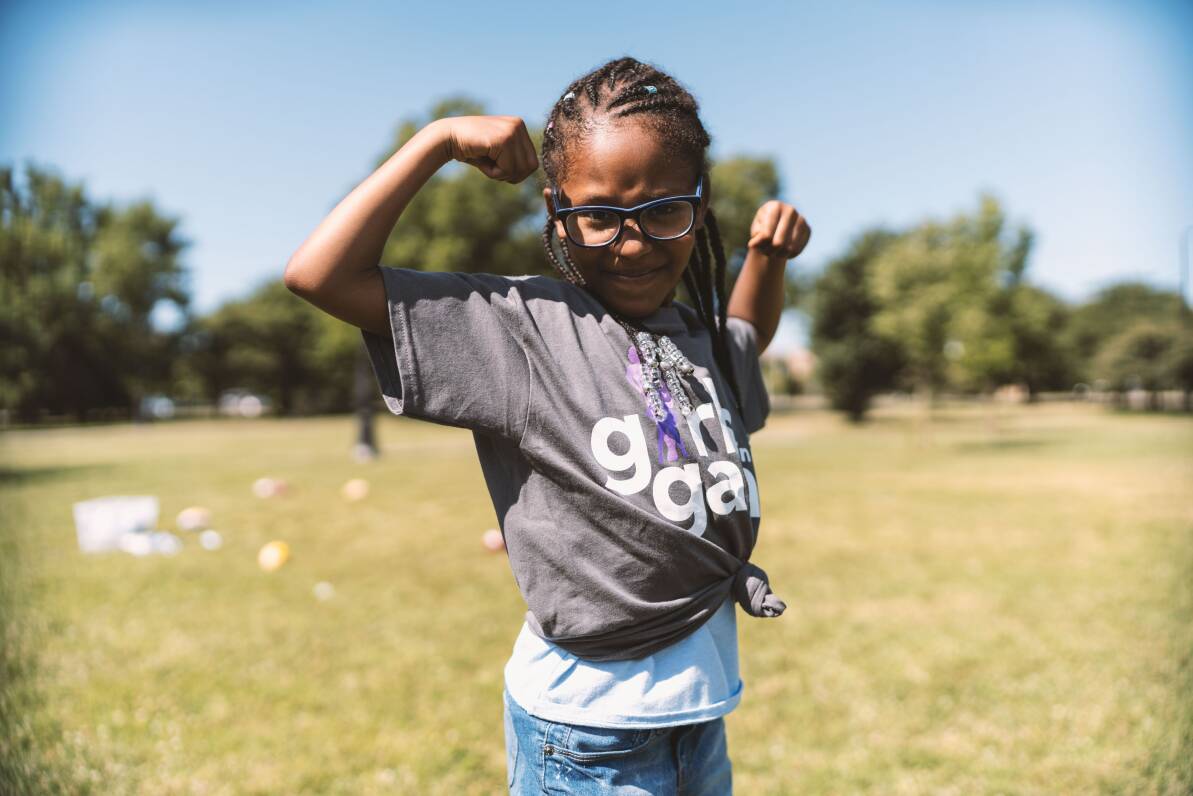

Still, she is quick to point out the gaps that remain. In 2026, girls still have nearly one million fewer opportunities to play high school sports than boys. Costs at the youth level are rising. And as attention concentrates at the elite level, the risk is that the pipeline beneath it weakens.
“You can’t have the top if you don’t have the pipeline and the infrastructure to support it,” she says. “We have to keep our foot on the gas.”
That philosophy defines the Women’s Sports Foundation, founded 52 years ago by Billie Jean King. Its formula is deliberate: lead with research, follow with advocacy, and deliver impact through grants and grassroots programming. From its longstanding Travel & Training Fund, which has supported dozens of Olympians before they became household names, to initiatives increasing access for girls at the youth level, WSF’s work spans the entire ecosystem.
For Leighton, the mission has always been bigger than medals. “If you never get to become a WNBA athlete or an Olympian, we still care about those 99% of girls who won’t,” she says. “Because they’re going to become the next CEOs. The next leaders.”
“My best gift I ever got playing sports was learning how to lose,” she says. “It’s not a nice-to-have. It’s a must-have.”
That belief reframes moments like sold-out WNBA arenas. To Leighton, they are not isolated triumphs; they are proof of concept. They trace directly back to a little girl picking up a ball for the first time, to a college scholarship made possible by Title IX, to intentional investment at every stage.
“It all starts with that little girl being able to get in the game,” she says. “Without that, we’re not sitting here.”
As the next 50 years of women’s sports take shape, Leighton’s focus is clear: protect Title IX, understand the ecosystem, and invest with intention. Know your history. Respect your history. And make sure the door stays open for whoever walks through next.
Leighton, who recently celebrated four years as CEO of the Women’s Sports Foundation® (WSF®), has spent her entire career on the business side of sports—collegiate and professional, men’s and women’s. From leading marketing at the Pac-12 during one of its most prolific eras in women’s athletics, to helping rebuild the conference’s women’s basketball tournament, to a decade with the Sacramento Monarchs and Kings, she has witnessed the evolution up close.
She’s also seen what happens when investment lags behind opportunity. “Title IX opened the door for us,” she says. “But the work of protecting and expanding that opportunity is far from over.”
For Leighton, the surge in the WNBA and across women’s sports is deeply connected to generational change. Gen X, her generation, was the first to grow up fully under Title IX. Boys and girls alike normalized women playing sports. That normalization is now showing up in boardrooms, investment portfolios, and media deals.
On the surface, this moment in women’s sports feels electric.
Sold-out arenas. Record-breaking viewership. Rookie jerseys flying off shelves. A generation of stars reshaping what’s possible in real time.
But when Danette Leighton talks about this era, she doesn’t start with the spotlight. She starts with the foundation.
“This moment isn’t a coincidence,” she says. “It’s the result of decades of athletes, advocates, policies like Title IX and organizations like the Women’s Sports Foundation working to build this pipeline.”
Why the surge in women’s sports was five decades in the making.
The data backs her up:
Still, she is quick to point out the gaps that remain. In 2026, girls still have nearly one million fewer opportunities to play high school sports than boys. Costs at the youth level are rising. And as attention concentrates at the elite level, the risk is that the pipeline beneath it weakens.
“You can’t have the top if you don’t have the pipeline and the infrastructure to support it,” she says. “We have to keep our foot on the gas.”
That philosophy defines the Women’s Sports Foundation, founded 52 years ago by Billie Jean King. Its formula is deliberate: lead with research, follow with advocacy, and deliver impact through grants and grassroots programming. From its longstanding Travel & Training Fund, which has supported dozens of Olympians before they became household names, to initiatives increasing access for girls at the youth level, WSF’s work spans the entire ecosystem.
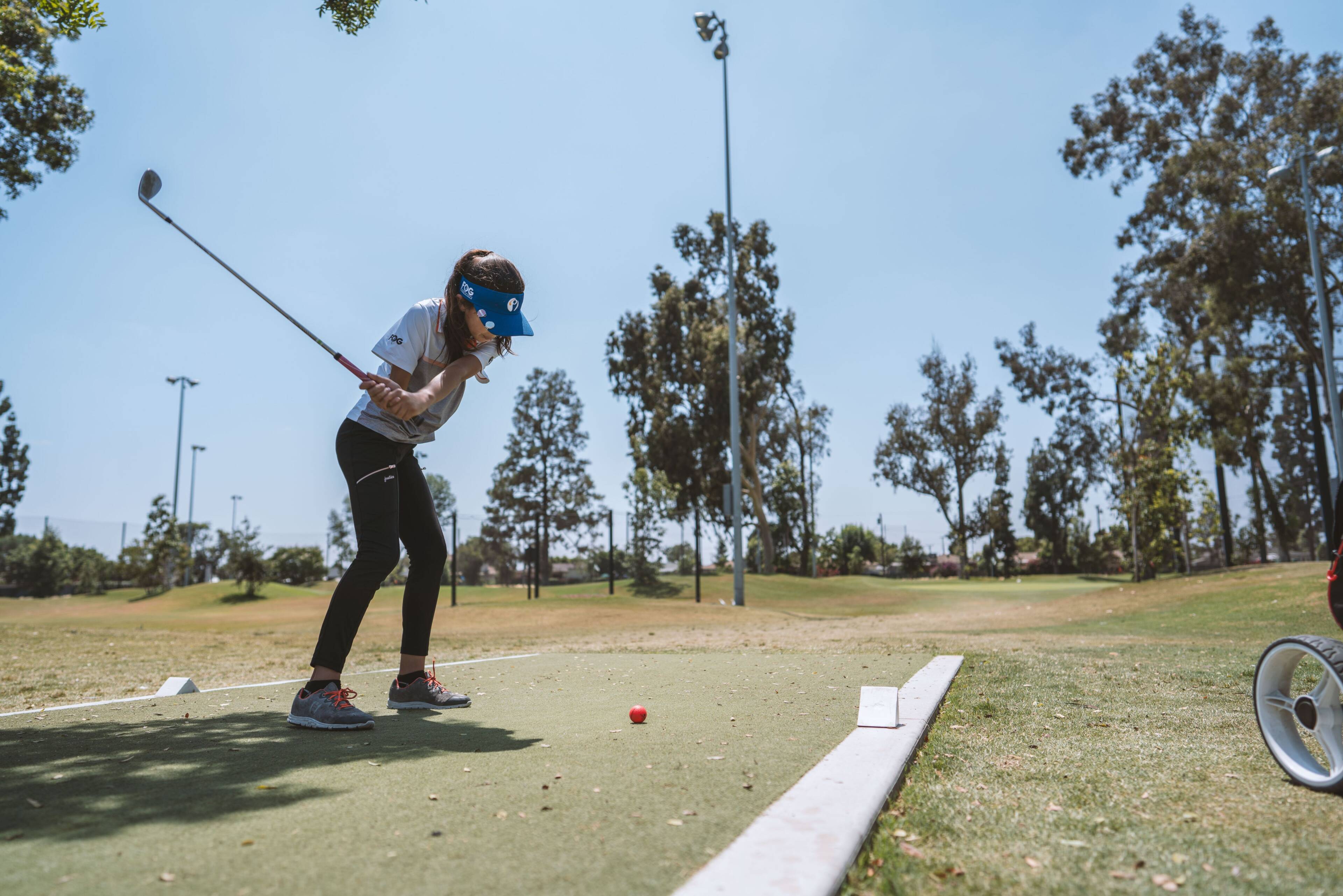
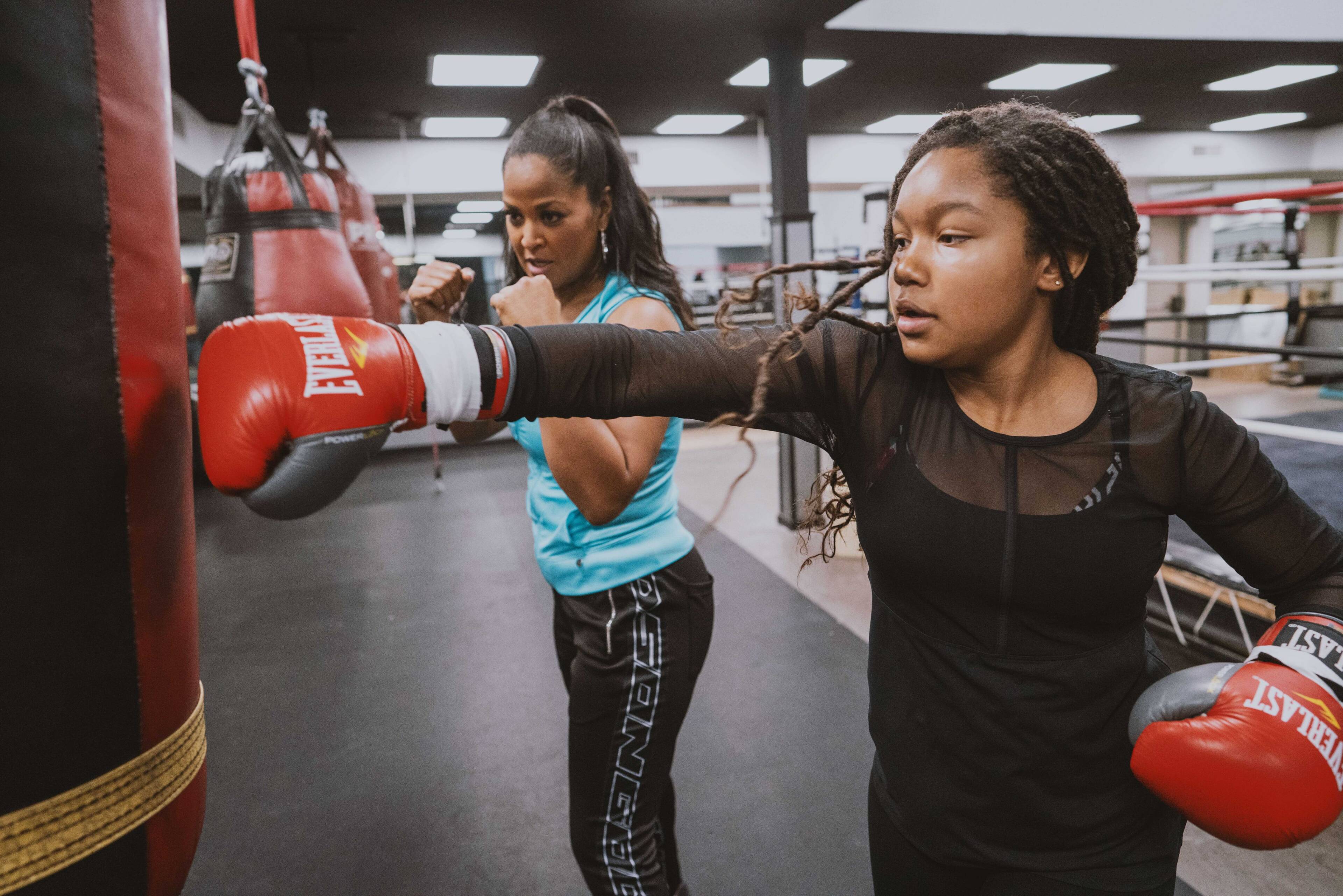
For Leighton, the mission has always been bigger than medals. “If you never get to become a WNBA athlete or an Olympian, we still care about those 99% of girls who won’t,” she says. “Because they’re going to become the next CEOs. The next leaders.”
Leighton, who recently celebrated four years as CEO of the Women’s Sports Foundation® (WSF®), has spent her entire career on the business side of sports—collegiate and professional, men’s and women’s. From leading marketing at the Pac-12 during one of its most prolific eras in women’s athletics, to helping rebuild the conference’s women’s basketball tournament, to a decade with the Sacramento Monarchs and Kings, she has witnessed the evolution up close.
She’s also seen what happens when investment lags behind opportunity. “Title IX opened the door for us,” she says. “But the work of protecting and expanding that opportunity is far from over.”
For Leighton, the surge in the WNBA and across women’s sports is deeply connected to generational change. Gen X, her generation, was the first to grow up fully under Title IX. Boys and girls alike normalized women playing sports. That normalization is now showing up in boardrooms, investment portfolios, and media deals.
On the surface, this moment in women’s sports feels electric.
Sold-out arenas. Record-breaking viewership. Rookie jerseys flying off shelves. A generation of stars reshaping what’s possible in real time.
But when Danette Leighton talks about this era, she doesn’t start with the spotlight. She starts with the foundation.
“This moment isn’t a coincidence,” she says. “It’s the result of decades of athletes, advocates, policies like Title IX and organizations like the Women’s Sports Foundation working to build this pipeline.”

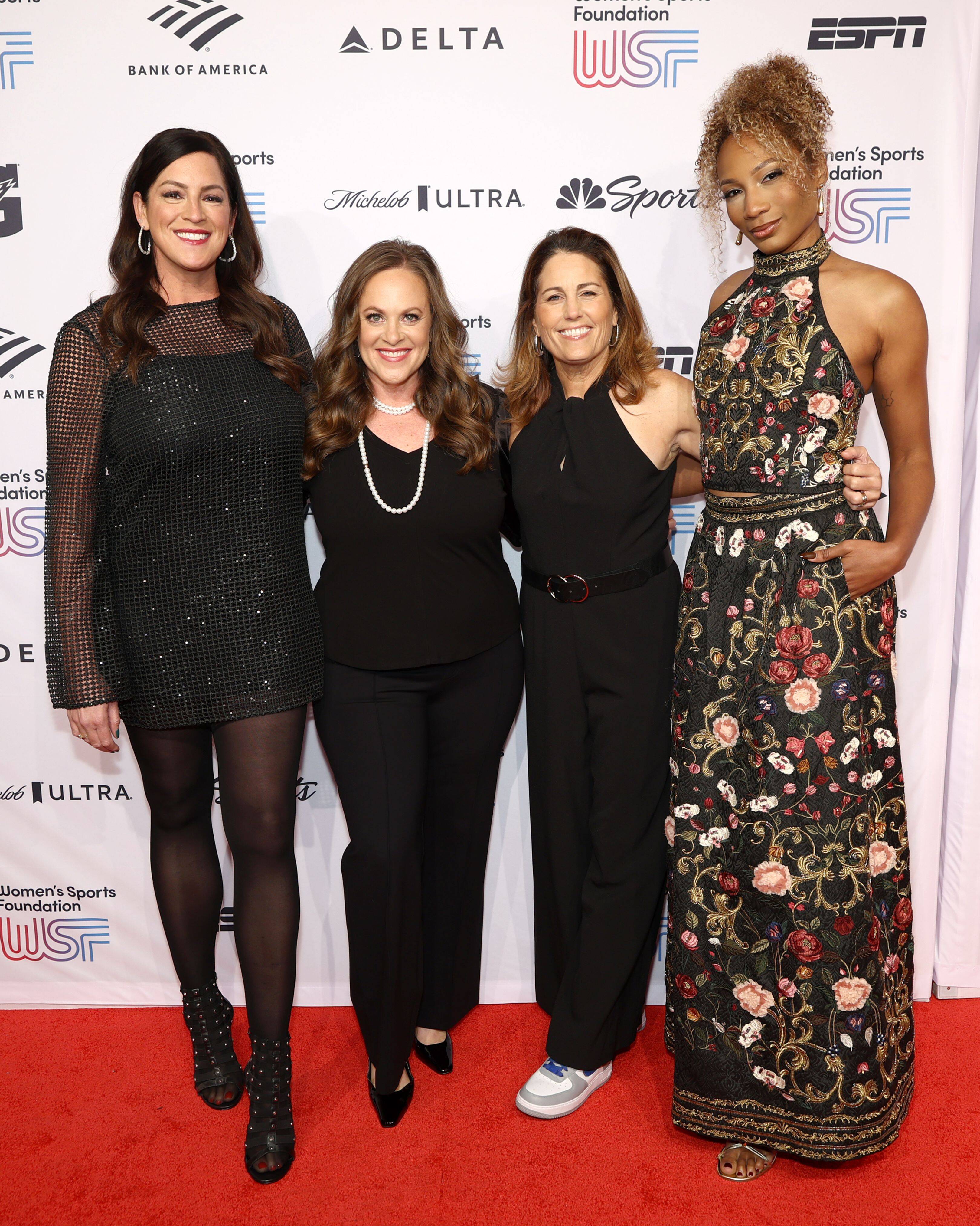


“My best gift I ever got playing sports was learning how to lose,” she says. “It’s not a nice-to-have. It’s a must-have.”
That belief reframes moments like sold-out WNBA arenas. To Leighton, they are not isolated triumphs; they are proof of concept. They trace directly back to a little girl picking up a ball for the first time, to a college scholarship made possible by Title IX, to intentional investment at every stage.
“It all starts with that little girl being able to get in the game,” she says. “Without that, we’re not sitting here.”
As the next 50 years of women’s sports take shape, Leighton’s focus is clear: protect Title IX, understand the ecosystem, and invest with intention. Know your history. Respect your history. And make sure the door stays open for whoever walks through next.