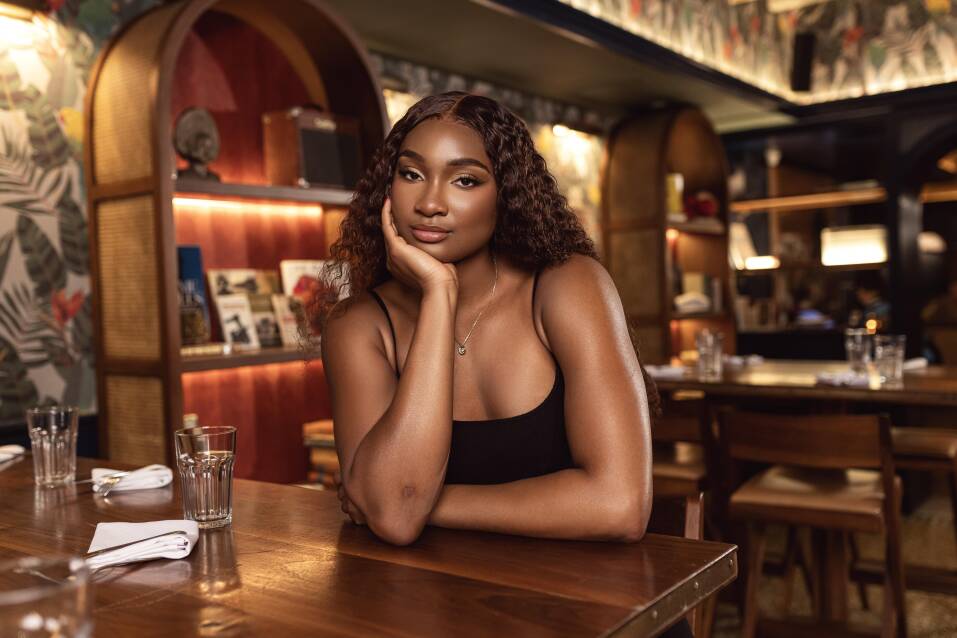
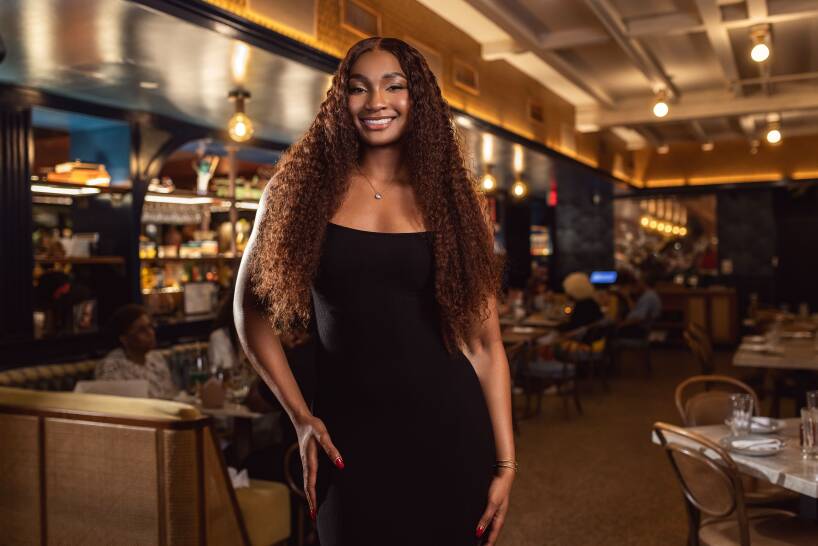
In Miami’s Overtown neighborhood, the Mystics forward reflects on family, culture, and why joy is always on the menu.

It feels fitting because for Iriafen, food is never just food. It is a memory; its culture and its connection.
“My go-to comfort meal is jollof rice,” she says without hesitation. “My mom’s jollof is the best. When I go to a restaurant and order it, it’s not the same.”
She smiles, already picturing the plate. “Goat meat in jollof rice is fire. Chicken is second.”
If you know, you know. Growing up in a Nigerian household, meals were the heartbeat of everything. Parties meant trays of rice, puff puff, meat pies, gizdodo. Kitchens meant family.
“For the most part, all of us got into sports because it’s fun,” she says. “So just keeping the fun and bringing the joy back, I think that’s super important.” She pauses, thoughtful. “I don’t think joy is only when things are going right. I feel like you find joy even in the bad.”
Upstairs in the historic pool hall, where generations once gathered between games and conversation, symbolism is hard to miss. Red Rooster has always been about more than a meal. It is about preserving culture, honoring community, and creating space for people to sit together.
For Iriafen, that philosophy feels familiar.
Whether it is a bowl of jollof rice that tastes like home, a freshman year chicken and rice meal her parents brought her after games at Stanford, or a table full of teammates sharing dessert, food is her anchor. A reminder of where she comes from. A reminder to savor where she is.
In Miami, between bites and laughter, Kiki is doing what she does best. Competing with purpose, living with gratitude and always making room for joy.
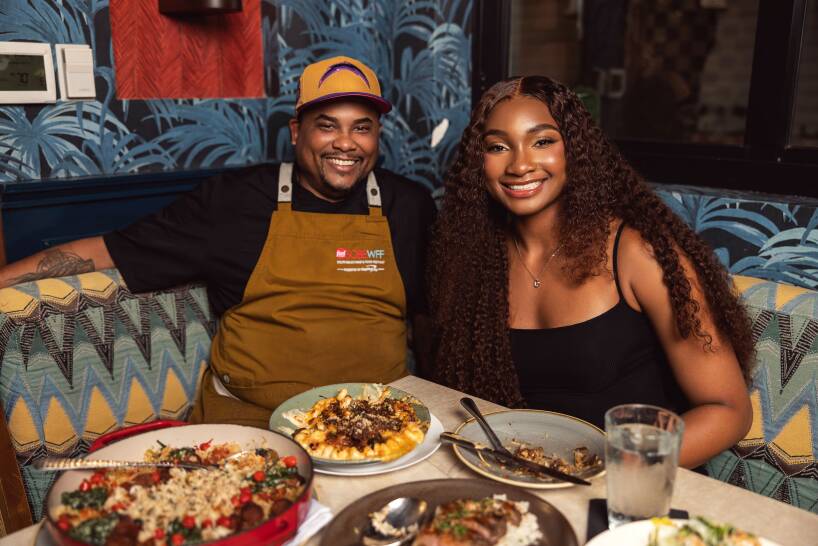
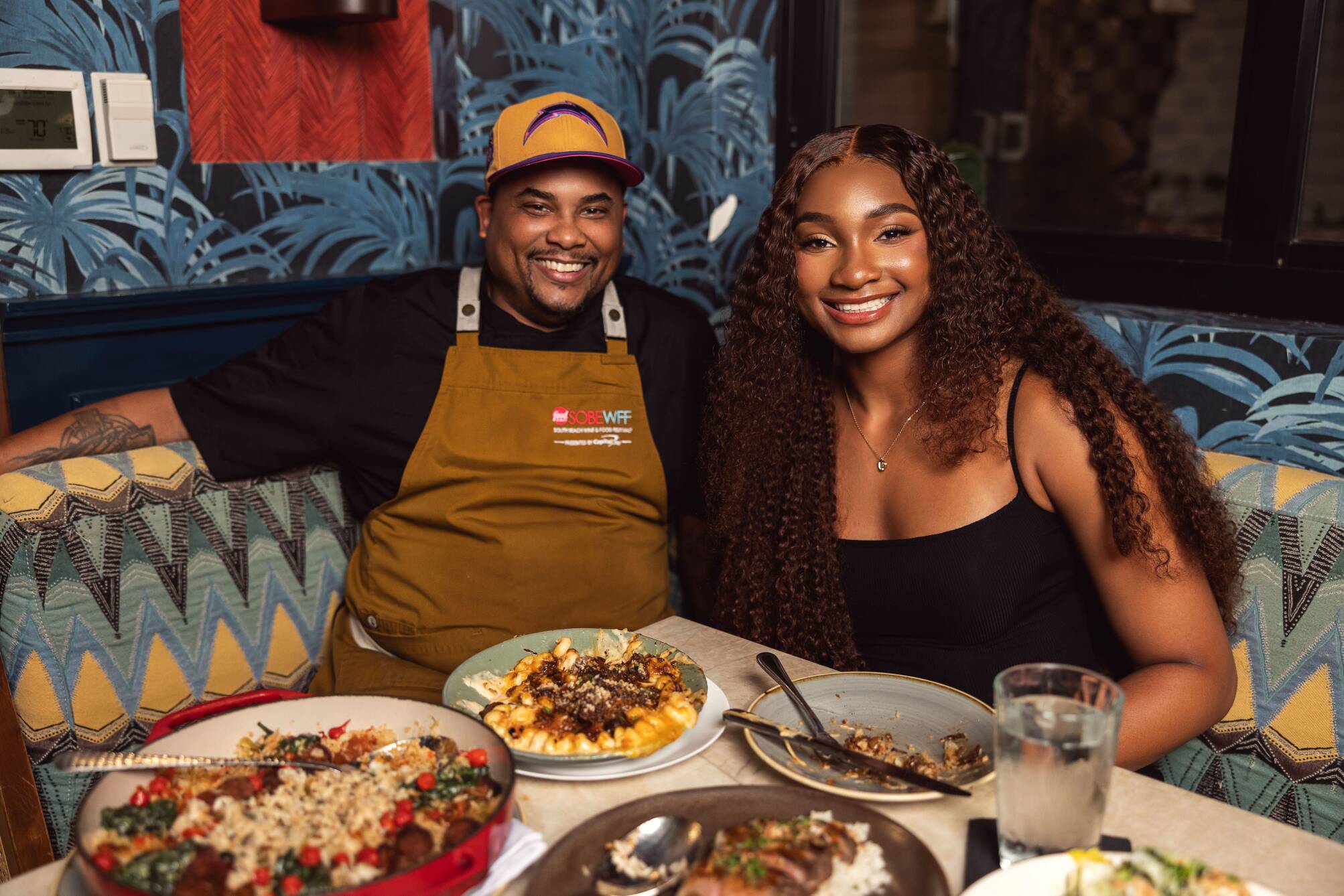
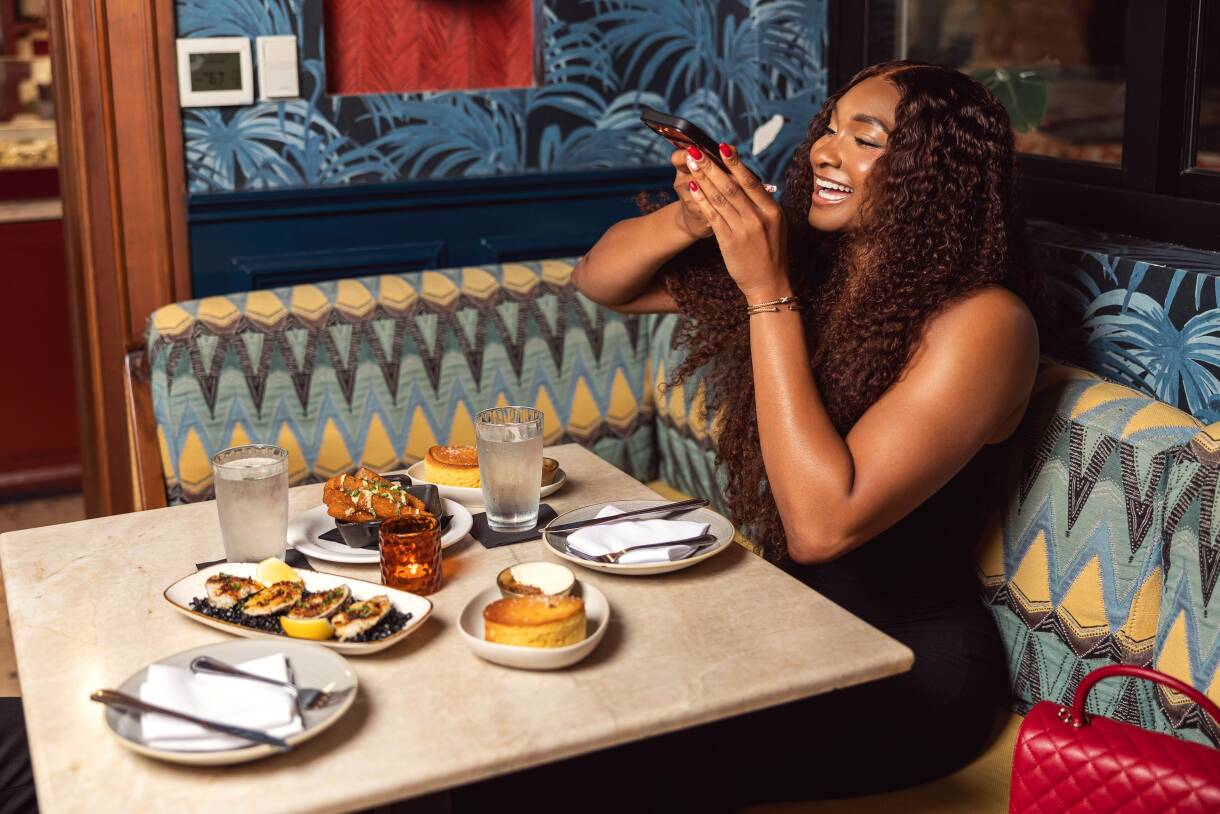
At Red Rooster, dishes arrive one by one. She leans in, curious, and ready to try. When asked if she is the type to experiment or stick to favorites, she laughs. “It depends on who’s paying,” she jokes. “If it’s a new restaurant, I like to try everything. But if it’s my spot, I’m getting my regular.”
There is discipline in her approach to food, just as there is in her game. But there is joy, too. “Everything is in moderation,” she says. “I don’t deprive myself. When I want a sweet treat, I have it. Georgia [Amoore] and I go get ice cream all the time. But I also know what fuels me on the court.”
Balance is intentional. So is celebration.
“If I share a meal with you, I love you,” she says, laughing. “I love my own plate. But with the people that are close to me, sharing food is my way of showing how much I care.”
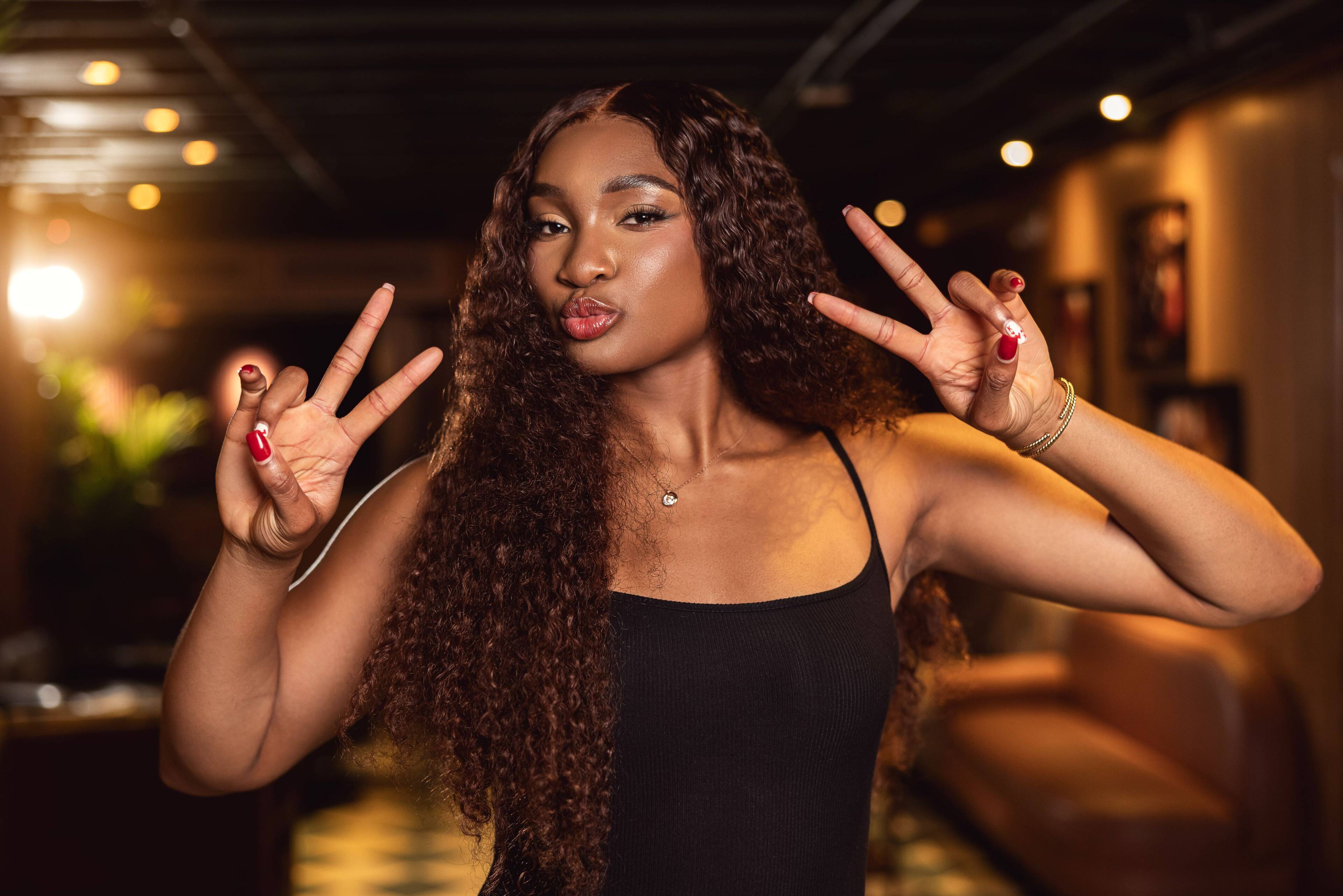
That openness mirrors the way she plays. “I feel like I embody joy and celebration,” she says. “When you see me play, that is me.” Sports are serious. Preparation is meticulous. Expectations are real.
“Food is such a huge part of our culture,” she says. “That’s like the highlight of the party.” Her memories stretch beyond the table. She remembers being back in Nigeria as a child, sitting on the floor with her grandmother, pounding yam the traditional way. She remembers standing in the kitchen beside her mom, learning by watching, absorbing more than recipes.
“I feel like food is such a great connector,” she says. “It was a way for me to get closer to my parents and my grandparents. Good food always brings people together.”
That throughline is still present now, even as basketball carries her across cities and seasons. When she is on the road, she searches for Nigerian restaurants in unfamiliar places. It is her way of staying connected to home, especially since trips back to Nigeria have become less frequent. A plate of jollof, or puff puff, can transport her instantly.
“Anything Nigerian reminds me of home,” she says.
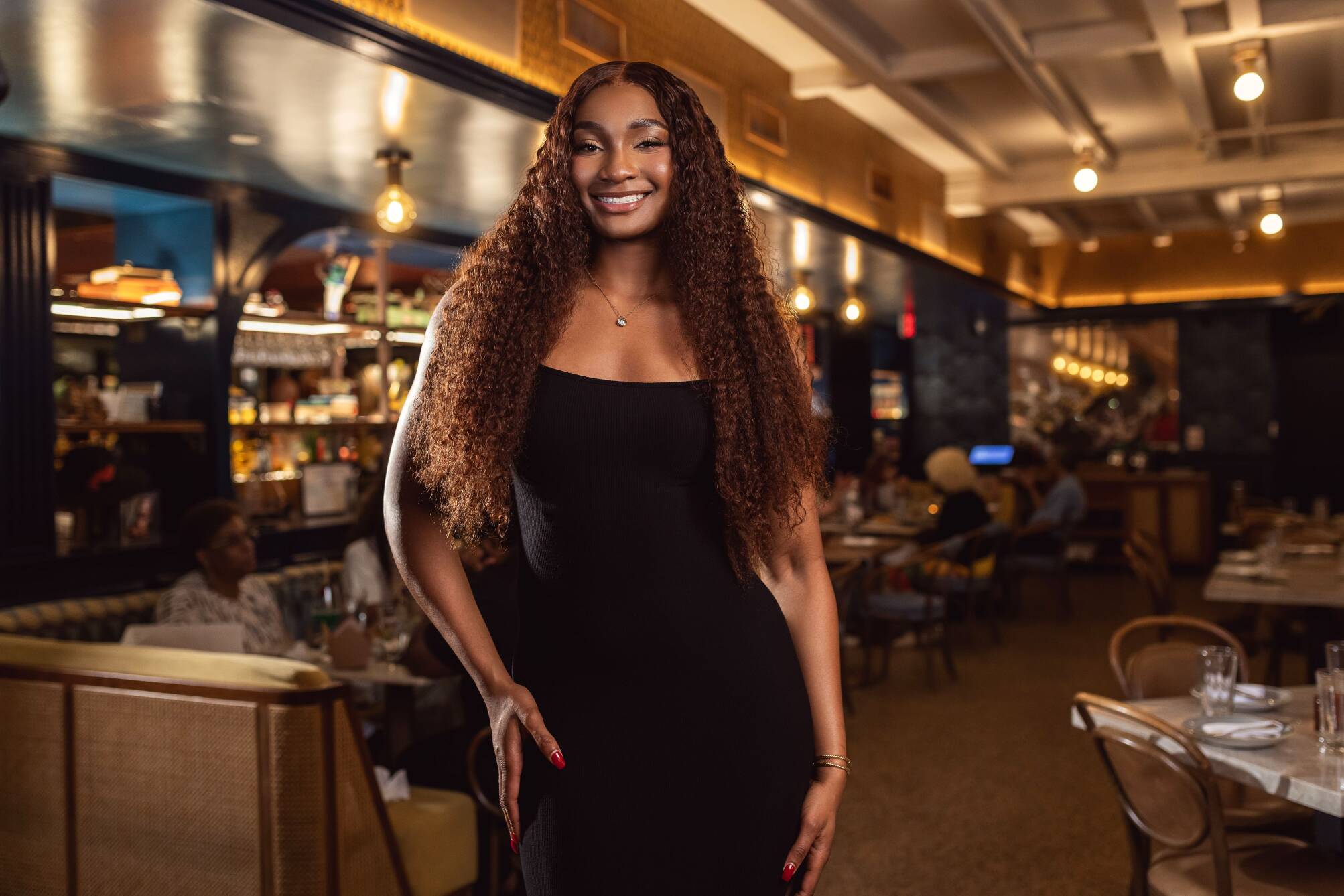
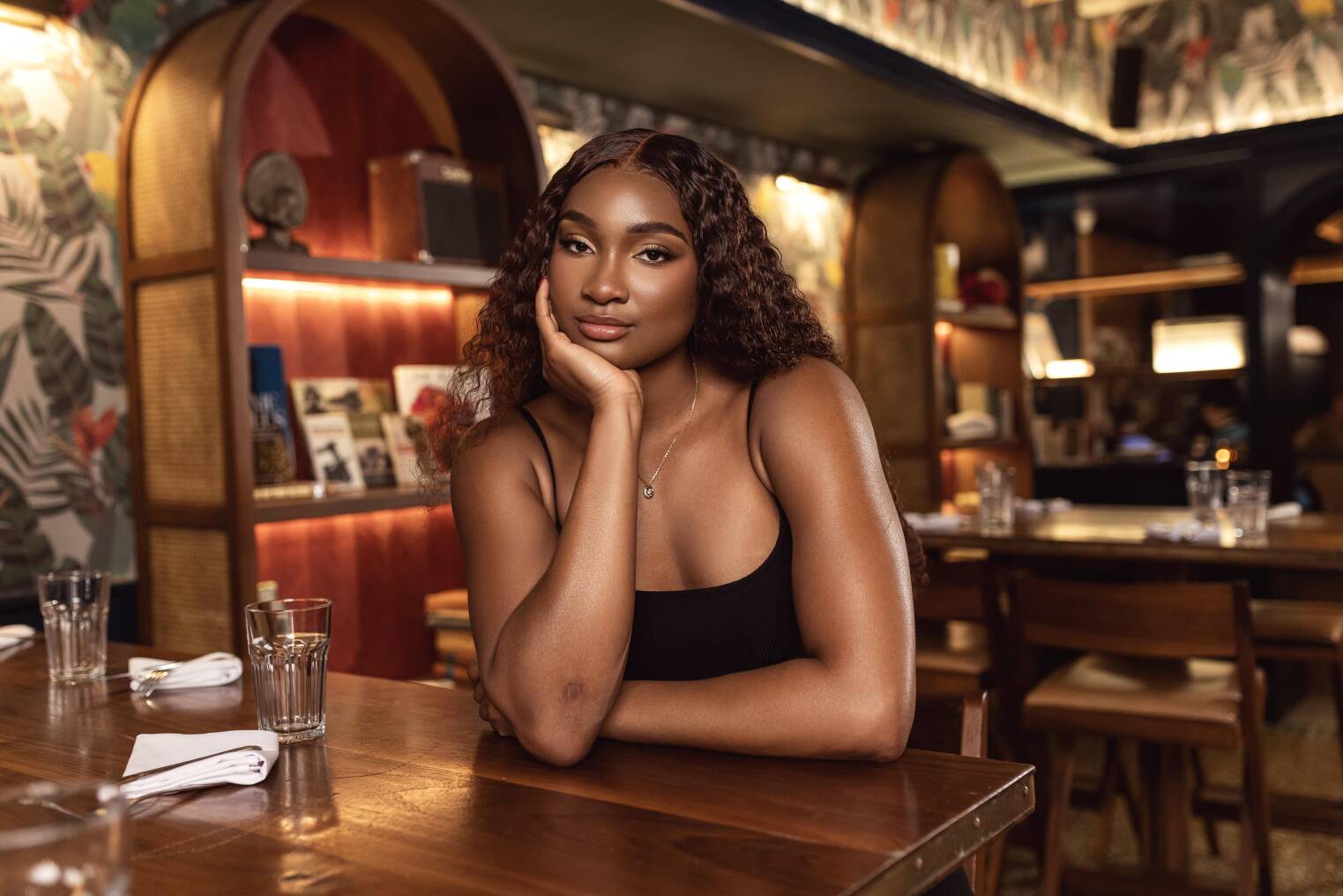
On a Wednesday evening in Miami, Kiki Iriafen is exactly where she wants to be, seated at a table, surrounded by good food and even better conversation.
Red Rooster Overtown is not just a restaurant. It is a story layered in bricks, music, and memories. Downstairs, Southern dishes rooted in tradition arrive in cast iron and color. Upstairs, in a restored pool hall space that once served as a gathering spot for legends passing through Overtown, history lingers in the walls.
In Miami’s Overtown neighborhood, the Mystics forward reflects on family, culture, and why joy is always on the menu.
“Food is such a huge part of our culture,” she says. “That’s like the highlight of the party.” Her memories stretch beyond the table. She remembers being back in Nigeria as a child, sitting on the floor with her grandmother, pounding yam the traditional way. She remembers standing in the kitchen beside her mom, learning by watching, absorbing more than recipes.
“I feel like food is such a great connector,” she says. “It was a way for me to get closer to my parents and my grandparents. Good food always brings people together.”
That throughline is still present now, even as basketball carries her across cities and seasons. When she is on the road, she searches for Nigerian restaurants in unfamiliar places. It is her way of staying connected to home, especially since trips back to Nigeria have become less frequent. A plate of jollof, or puff puff, can transport her instantly.
“Anything Nigerian reminds me of home,” she says.
At Red Rooster, dishes arrive one by one. She leans in, curious, and ready to try. When asked if she is the type to experiment or stick to favorites, she laughs. “It depends on who’s paying,” she jokes. “If it’s a new restaurant, I like to try everything. But if it’s my spot, I’m getting my regular.”
There is discipline in her approach to food, just as there is in her game. But there is joy, too. “Everything is in moderation,” she says. “I don’t deprive myself. When I want a sweet treat, I have it. Georgia [Amoore] and I go get ice cream all the time. But I also know what fuels me on the court.”
Balance is intentional. So is celebration.
“If I share a meal with you, I love you,” she says, laughing. “I love my own plate. But with the people that are close to me, sharing food is my way of showing how much I care.”
That openness mirrors the way she plays. “I feel like I embody joy and celebration,” she says. “When you see me play, that is me.” Sports are serious. Preparation is meticulous. Expectations are real.
“For the most part, all of us got into sports because it’s fun,” she says. “So just keeping the fun and bringing the joy back, I think that’s super important.” She pauses, thoughtful. “I don’t think joy is only when things are going right. I feel like you find joy even in the bad.”
Upstairs in the historic pool hall, where generations once gathered between games and conversation, symbolism is hard to miss. Red Rooster has always been about more than a meal. It is about preserving culture, honoring community, and creating space for people to sit together.
For Iriafen, that philosophy feels familiar.
Whether it is a bowl of jollof rice that tastes like home, a freshman year chicken and rice meal her parents brought her after games at Stanford, or a table full of teammates sharing dessert, food is her anchor. A reminder of where she comes from. A reminder to savor where she is.
In Miami, between bites and laughter, Kiki is doing what she does best. Competing with purpose, living with gratitude and always making room for joy.
If you know, you know. Growing up in a Nigerian household, meals were the heartbeat of everything. Parties meant trays of rice, puff puff, meat pies, gizdodo. Kitchens meant family.
On a Wednesday evening in Miami, Kiki Iriafen is exactly where she wants to be, seated at a table, surrounded by good food and even better conversation.
Red Rooster Overtown is not just a restaurant. It is a story layered in bricks, music, and memories. Downstairs, Southern dishes rooted in tradition arrive in cast iron and color. Upstairs, in a restored pool hall space that once served as a gathering spot for legends passing through Overtown, history lingers in the walls.
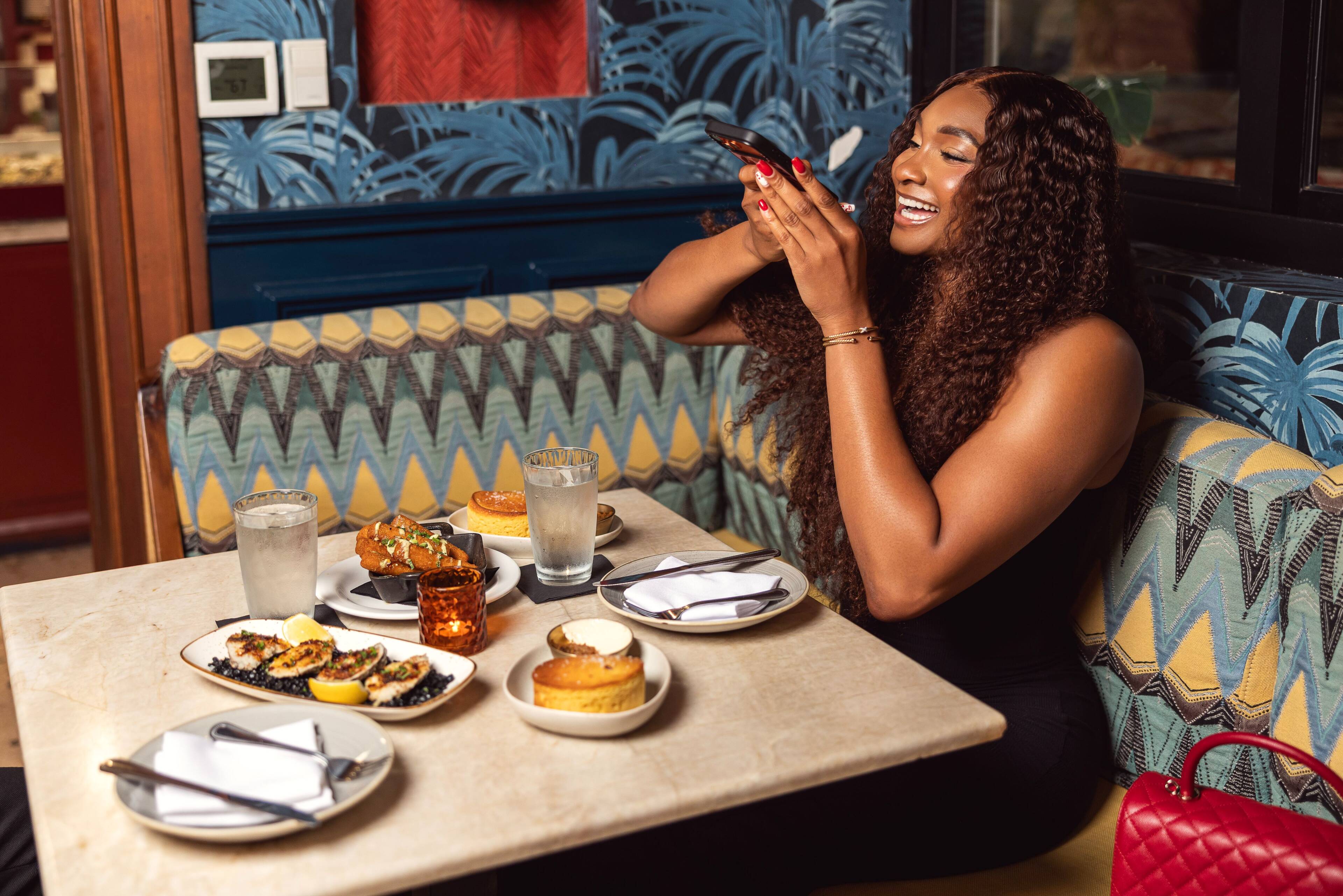
It feels fitting because for Iriafen, food is never just food. It is a memory; its culture and its connection.
“My go-to comfort meal is jollof rice,” she says without hesitation. “My mom’s jollof is the best. When I go to a restaurant and order it, it’s not the same.”
She smiles, already picturing the plate. “Goat meat in jollof rice is fire. Chicken is second.”